A KVM switch is built as a box in metal. For most designs, there are ports for the USB host, video inputs and outputs on the back panel, and a USB hub and switch buttons on the front panel. In simple terms, a KVM switch allows you to switch between different computer sources (or computer cases) while still using the same keyboard, monitor, and mouse; in fact, that's what KVM stands for: Keyboard, Video, Mouse. That means if you have several PCs you need to work with, you don't have to. KVM switch connects more than one PC with a single keyboard, monitor, and mouse. It enhances efficiency, saves your space, and brings down costs. This simple yet powerful device lets you control several computers using just one set of peripherals. In this article, we'll explore what is a KVM switch, its functionality, and its benefits for both work and gaming environments. We'll also provide tips on selecting the ideal KVM. A KVM switch (with KVM being an abbreviation for "keyboard, video, and mouse") is a hardware device that allows a user to control multiple computers from one or more sets of keyboards, video monitors, and mouse.
[PDF]
The first step to finding the right KVM switch is taking inventory of what you'll use it with: specifically, the number of computers, monitors, and additional peripherals, such as a keyboard and mouse. Yo.
[PDF]
For each laptop, PC, or game console in the setup, you shall connect both their video out and USB port to the KVM switch. For each system, the ports are grouped and numbered. Put each cable in the rig.
[PDF]
The SFP optical module is a standardized, modular assembly designed to be quickly installed or removed from a device's port without requiring the device to be powered down. This key feature—being hot-pluggable —is essential for simplifying network maintenance and minimizing downtime. SFP (Small Form-factor Pluggable) is a compact, hot-pluggable network interface module used to connect network devices (switches, routers, firewalls) to fiber optic or copper cables. It converts electrical signals into optical (or copper) signals and vice versa. An SFP transceiver acts as a compact, hot-swappable optical transceiver that. An SFP switch uses Small Form-Factor Pluggable (SFP) modules to form a network switch for high-speed connectivity between devices. These interchangeable modules support various media types, including copper or fiber-optic cables, providing flexible networking options based on specific requirements.
[PDF]
PoE delivers 44-57v of DC power over unshielded twisted-pair wiring for terminals consuming up to 25 watts, depending on the version of the standard in use. Power over Ethernet (PoE) describes any of several standards or ad hoc systems that pass electric power along with data on twisted-pair Ethernet cabling. This allows a single cable to provide both a data connection and enough electricity to power networked devices such as wireless access points. Imagine powering your entire network infrastructure through the same cables that carry your data, eliminating the need for separate power supplies and electrical outlets near every device. This isn't a futuristic concept—it's the reality that power over Ethernet has made possible since 2003. While PoE doesn't add Ethernet data capabilities, it does offer expanded options for how and where Ethernet end devices can be. Power over Ethernet is a technology that allows IP telephones, wireless LAN Access Points, security network cameras and other IP-based terminals to receive power, in parallel to data, over the existing CAT-5 Ethernet infrastructure without the need to make any modifications. The simple nature eliminates the need for multiple power supplies, and allows connectivity to devices where power outlets are not available. Instead of running a separate power line to each device, PoE lets the Ethernet cable (usually a Cat5e or Cat6 cable) carry both the network connection and.
[PDF]
The IEEE standard for the base PoE switches is 802. 3at for PoE+, and 802. PoE and PoE+ transmit power over two pairs of twisted-pair wires in their cables, while the PoE++ variants use four pairs of twisted-pair wires. The splitter is the silver and black box in the middle between the wiring junction box (left) and the access point (right). The PoE connection eliminates the need for a nearby power outlet. In another common configuration, the access point or other connected device includes internal PoE splitting. Power over Ethernet (PoE) switches combine data and power delivery into a single Ethernet cable, simplifying deployment of devices such as access points, IP cameras, VoIP phones, and IoT equipment. PoE does not reduce network speed, does not waste excessive power when proper cabling standards are. Therefore, everyone is concerned about whether PoE switches will affect speed. Key Benefits of Power over. PoE switches (Type 1) comply with the IEEE 802. 3af standard, which specifies the maximum power delivered over Ethernet cables.
[PDF]
The core switch functions as the central point of the entire network, forming the high-speed backbone for the organization's data infrastructure. Its primary purpose is to provide an optimized and reliable transmission structure for all aggregated data traffic. Simply put, it's the kingpin that keeps your network humming. You may also want to know: Can a Nintendo Switch Play DS Games? ·. A network switch connects multiple devices within a local area network (LAN) and directs data packets only to their intended destination. In large organizations, networks become complex, exchanging massive amounts of data. The core switch is the most important piece of hardware in this. A core switch is a high-capacity, high-performance Layer 3 switch positioned at the physical backbone of an enterprise network. Engineered to aggregate massive volumes of data from distribution switches, it provides ultra-low latency and maximum throughput to ensure uninterrupted routing and packet. A core switch is a crucial component of a network infrastructure that serves as the backbone of a network. It's a high-performance switch that provides high-speed connectivity between different network segments, which may include access switches, distribution switches, and routers. These switches are high-capacity, usually handling the greatest amount of traffic compared to other switches in the network. They primarily focus on speed.
[PDF]
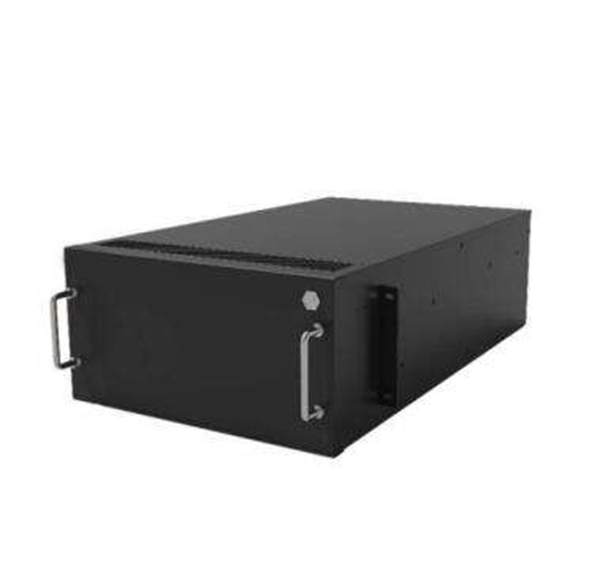
Cisco announces the end-of-sale and end-of-life dates for the Cisco Catalyst 1000 Series Switches. The last day to order the affected product (s) is April 30, 2025. Tax included. This item is a deferred, subscription, or recurring purchase. By continuing, I agree to the and authorize you to charge my payment method at the prices, frequency and dates listed on this page until my order is fulfilled or I cancel, if permitted. Customers with active service contracts will continue to receive support from the Cisco Technical Assistance Center (TAC) as shown in. Intuitive software interface for effortless network configuration and monitoring. 8 x 1G ports Energy efficient 2 x 10G ports The NETGEAR 10-Port Gigabit/10G Ethernet Plus Switch (GS110EMX) is a versatile and efficient networking solution featuring 8 x 1G and 2 x 10G ports, designed for seamless. Cash On Delivery. Delivery All Over Lebanon. A 24-port, Layer 3 switch capable of high-power PoE++ output. Flexible 10 Gigabit connectivity for SME and SMB environments. Packet Forwarding Rate Buy online D-Link 24-Port Gigabit Stackable Smart Managed Switch with 10G Uplinks |DGS-1510-28XMP at ayoubcomputers. AYOUB. Discover the TP-Link Switches collection, providing efficient networking solutions designed to enhance connectivity and streamline your network infrastructure. These switches deliver reliable performance and advanced features, making them ideal.
[PDF]
The system in this example contains the following elements: 1. 2 Pseudo-random Bit Stream (PRBS) block 2. 2 NRZ Pulse Generator (NRZ) 3. 1 CW Laser (CWL) 4. 3 1x2 Fork (FORK) 5. 2 Electrical Not Gate (N.
[PDF]
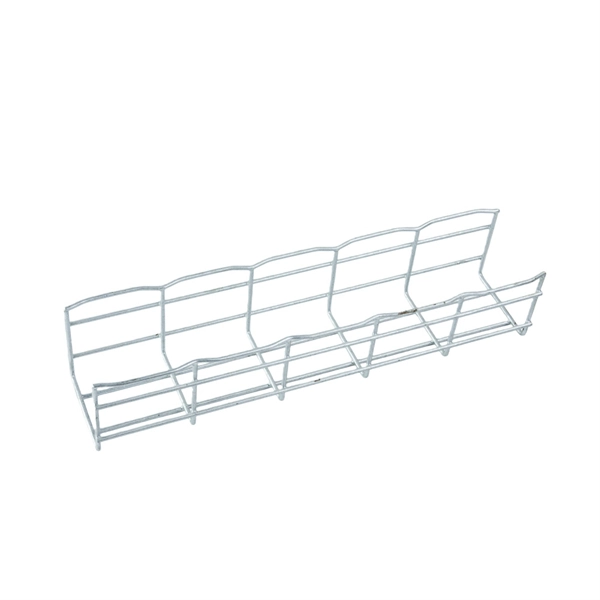
Frequent status changes from up to down or vice versa in the ports logged by the switch port syslog indicates a port flap. On a big industrial plant we've replaced an old HP switch with a brand new couple of C2960x switches in stack configuration and ever since then, every 6/8 hours or so, the two fiber optics links of switch #2 go down at once. These are connected to a ring of 3 similar other access switches, that. EX4650 2-switch virtual chassis, running version 19. 2, optic p/n 740-031981 (SFP+-10G-LR) is plugged into port xe-0/0/10 and connected to an ISP via single mode fiber. Nothing special is configured on the port, it is running at 10G speed, show interfaces diagnostics optics shows that it's. This article describes steps to diagnose the Continuous port flapping on a FortiSwitch. Verify Cable Connection: Ensure the cable is properly connected between the switch port and the end device. Run the command below on FortiSwitch multiple times and check the. Real head scratcher this morning that I'm hoping someone can help me with! The port on our core switch (HP A5500) that our Smoothwall box is connected to keeps going up and down. Port flapping, also known as link flapping, causes a switch port's state to fluctuate between up and down within concise periods of time. This instability caused by flapping ports affects network connectivity. Port flapping is a common network issue that can disrupt communication between devices and degrade overall network performance.
[PDF]
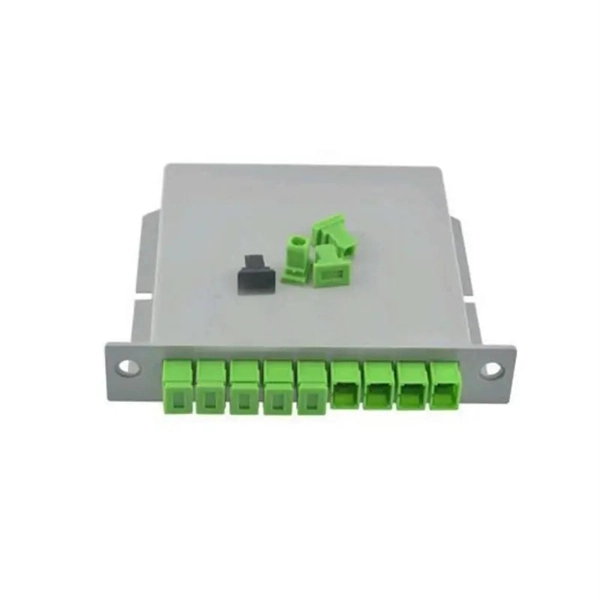
Check the steps ① whether the user network card is disabled, ② check whether the network cable is normal with a network cable tester, ③ replace the optical modem LAN port or other ports of the router and switch to test whether normal. Fiber optic networks are celebrated for their speed and reliability, but even the best systems can encounter problems. When issues like signal loss, slow speeds, or intermittent connectivity arise, systematic troubleshooting is key. This guide will walk you through diagnosing and resolving common. We have a fibre run, SM, 650 meters, with Level1 dumb switches at each end, I get Link lights at both ends, but there's no network traffic. Switch A is on the router end, devices connected to this switch get DHCP leases and can browse the internet without issue. These high-speed, high-capacity communication networks are increasingly replacing copper cables, offering superior performance and. However, even the most advanced fiber-optic networks can encounter issues that disrupt performance. This comprehensive guide delves into the most common FTTH problems faced by users, providing detailed troubleshooting steps and real-world solutions. Whether you're a network engineer, IT manager, or service provider, understanding these challenges and how to address them is critical for maintaining high-performance, reliable.
[PDF]
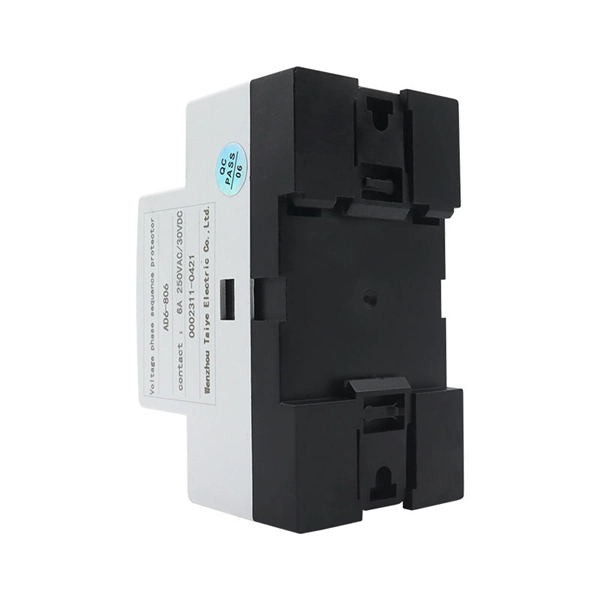
This document describes all the configuration commands of the device, including the command function, syntax, parameters, views, default level, usage guidelines, examples, and related commands. It can be used to gather data from Huawei switches, such as interface statistics, VLAN information, and system details. SNMPCheck: SNMPCheck is an. Huawei's comprehensive portfolio of products and solutions enables you to realize smooth digital transformation and rapid growth of virtualization, Big Data, and cloud services. Huawei switches already help customers achieve success in industries such as finance, Internet, retail, education. Huawei CloudEngine S5755-H series switches are high-quality gigabit access switches that provide 24 or 48 10/100/1000BASE-T downlink ports, four 25GE plus two 100GE uplink ports, and expansion card slots. By leveraging Huawei's unified software platform, CloudEngine S5755-H series creates a. They offer multiple models, such as those with twenty-four GE electrical ports, twenty-four GE optical/electrical hybrid ports, and forty-eight GE optical ports. These switches feature service processing capabilities.
[PDF]
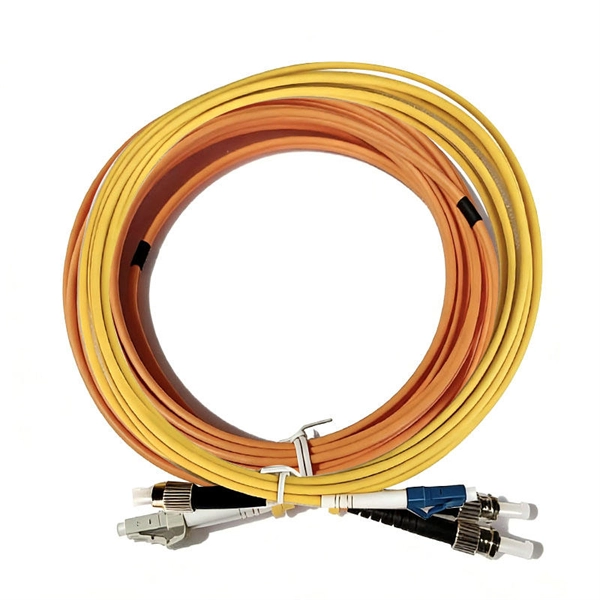
To replace an electrical switch, expect to spend about $80 to $120 on average. It's all relative, but $23k for a pair of core switches is cheap IMO. Cisco would try to charge A LOT MORE. I removed all. FI per port to connect to Nexus switches. 9Ghz, 6Core Broadwell DE CPU128GSSD,32GDRAM REMANUFACTURED. Check CORE SWITCH price from the latest Cisco price list 2022. Our core switches are EOL and have been for a long time. I need 5 core switches for $15,000 for a mid-size organization with multiple locations. Suggestions? Want to add to the discussion? Post a comment! [–] bitslammer Infosec/GRC 21 points [–] Sr. Sysadmin How many ports? What kinds of ports? L2. Unlock exclusive savings on 5/9/26 at 9am PT. Did You Find It? Save this search Request a server item Cisco Catalyst 9200CX-8P-2E Compact Switch, 8-Port PoE+, 240W, Network Essentials. MikroTik CRS504-4XQ-IN Cloud Router Switch 650MHz 4xQSFP28 Compatible with 40G. There are no specific requirements for this document. The information in this document was created from the devices in a specific lab environment. it's an old 3560 catalyst with a pretty basic configuration.
[PDF]
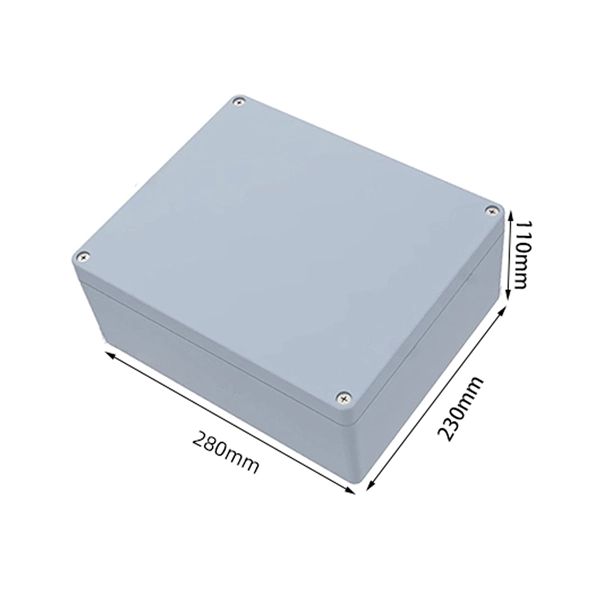
Optical transceivers are crucial components for network switches, enabling them to connect to fiber optic networks and transfer data at high speeds. The common use is to convert the electrical signal in the twisted pair into an optical signal. It is generally used in Ethernet copper cables that cannot be covered and optical fibers must be used to extend the transmission. Optical transceiver is a very cost effective and flexible device that is commonly used to convert electrical signals in twisted pair cables to optical signals. An SFP transceiver integrates both transmitting and receiving functions into a compact, standardized module, enabling seamless conversion between electrical and optical signals. Its flexibility supports a broad range of applications—from short-reach enterprise connections to long-haul single-mode. SFP (Small Form-factor Pluggable) is a compact, hot-pluggable network interface module used to connect network devices (switches, routers, firewalls) to fiber optic or copper cables.
[PDF]
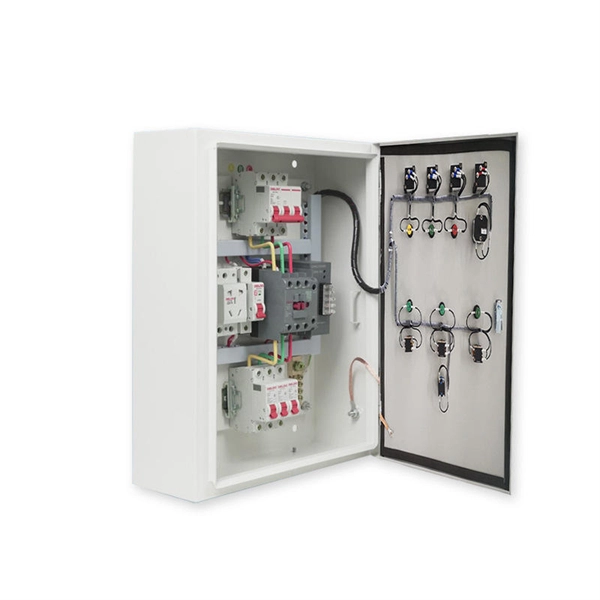
Most modern fiber-enabled network switches require an SFP transceiver module featuring a duplex (two strand) multimode OM3 or duplex single mode OS2 connection with LC connectors. Direct attach cables with pre-terminated SFP connections may also be used. Download the Application. CONFIGURING THE SWITCH IN DESIGO CC/CERBERUS DMS. CYBERSECURITY DISCLAIMER. 44. This tutorial will explain the steps required to configure fiber optics on a Cisco switch and ensure proper connectivity in your network. This chapter includes the following sections: •Information About Fibre Channel Interfaces, page 1-1 •Configuring Fibre Channel Interfaces, page 1-8 •Configuring Global Attributes for. : 192. 0 De livery of solutions fulfilling the Customers' multitude o. This document is intended to serve as a guide for architecting and deploying fiber optic networks in a customer environment. This installation planning guide describes some basic fundamentals of fiber optic technology, considerations for deployment, and basic testing and troubleshooting procedures. Fiber optic cabling is increasingly used to connect network switches and other datacom equipment, especially in long-distance and mission-critical applications. Fiber provides: Increased internet signal bandwidth.
[PDF]