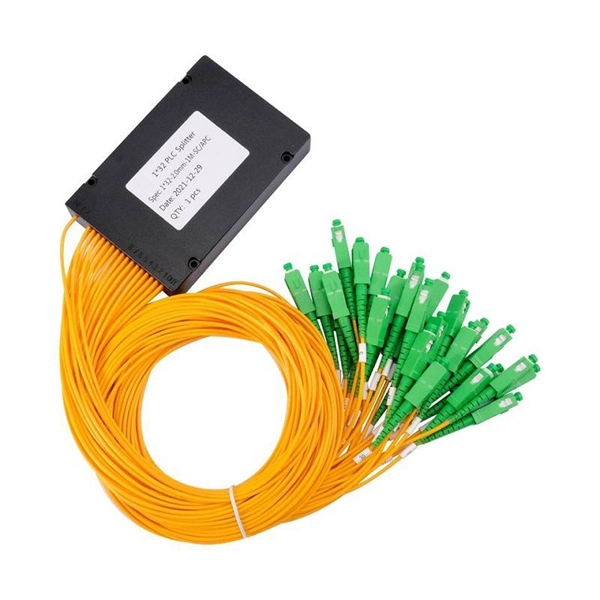
A fiber-optic splitter, also known as a, is based on a of an integrated waveguide power distribution device, similar to a The system uses an optical signal coupled to the branch distribution. The splitter is one of the most important in the link. It is an optical fiber tandem device with many input and output terminals, especially applicable to a passive optical network (,,,.
[PDF]
Picking up the best router for fiber internet isn't just about going to the market and choosing one of the best wireless routers. Instead, you need to carefully look at its specs, performance, and the type of securit.
[PDF]
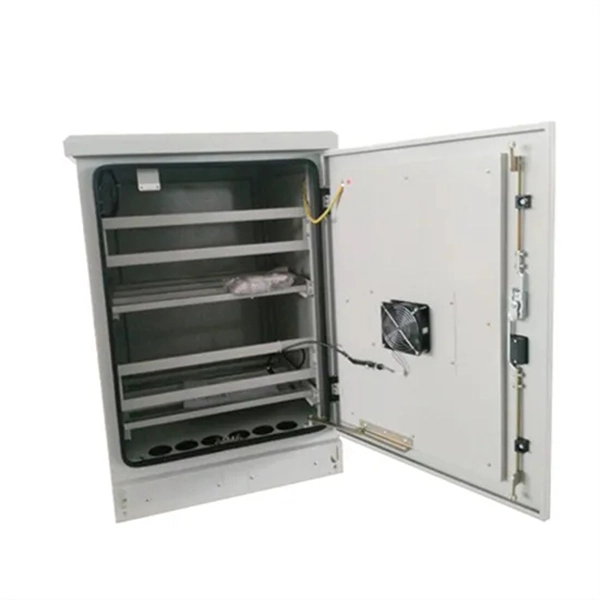
One of the first indicators that a fiber optic patch cord needs replacing is an increase in signal loss. Over time, various factors can contribute to this decline in performance, including wear and tear, contamination, and environmental influences. Fiber optic patch cords are essential components in modern communication systems. Understanding their lifecycle can help users make informed decisions about their selection, maintenance, and disposal. This article delves into the various stages of fiber optic patch cords, ensuring that readers. Effective lifecycle management of fiber optic cables, from selection and installation to daily maintenance and replacement, is essential. " The reality is more nuanced: silica The optical core is virtually chemically indestructible, but the sheaths, coatings, and. When you invest millions in a fiber optic cable network, you are buying a long-term asset. The industry standard says Fiber Optic Cable Lifespan should last 25 years. But ask any veteran network engineer, and they will tell you a different story. Some fiber optic cables fail in 5 years, turning. Key Risks and How to Fiber-optic cables are the backbone of modern connectivity—powering 5G networks, global internet backbones, and data center interconnections with near-light-speed data transmission. In this blog post, I will share valuable insights into the importance of.
[PDF]
Optical fiber consists of a and a layer, selected for due to the difference in the between the two. In practical fibers, the cladding is usually coated with a layer of or. This coating protects the fiber from damage but does not contribute to its properties. Individual coated fibers (or fibers formed into ribbons or bundles) then ha.
[PDF]
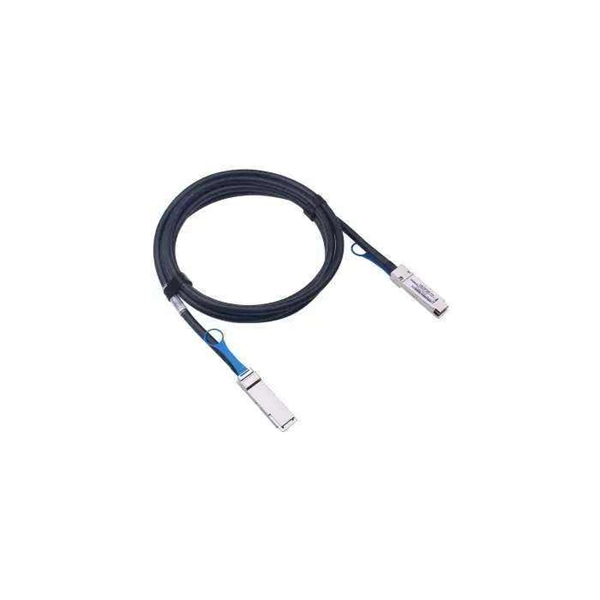
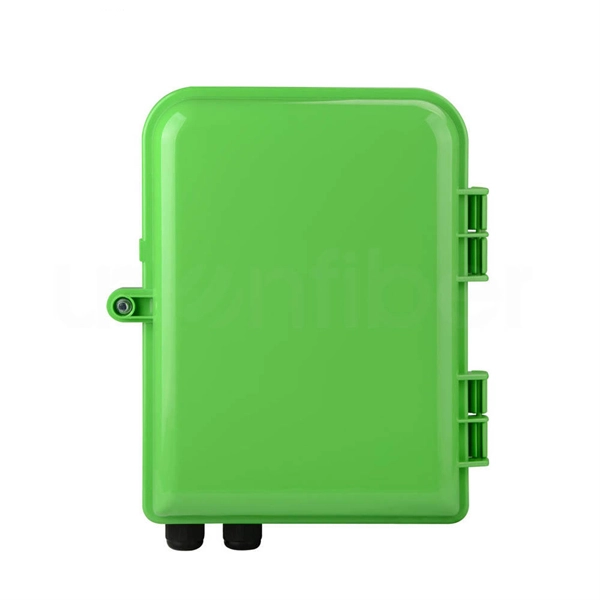
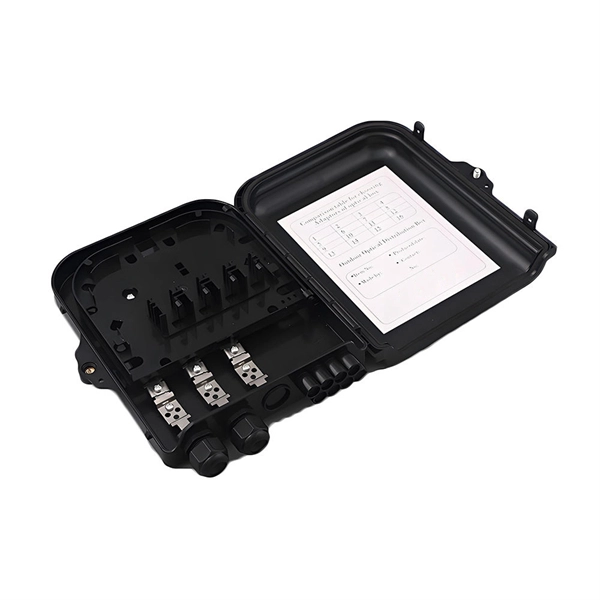
This terminal box terminates up to 12-24 fiber optic cables, offers spaces for splitters and up to 12-24 fusions, allocates 6 x SC Duplex adapters or 6 xLC Quad adapters and working under both indoor and outdoor environments. It is a perfect cost-effective solution-provider in the. This Lockable IP65 distribution box is supplied loaded or unloaded and offers the ability to terminate 12 fibers housed in a strong robust ABS enclosure for indoor and outdoor applications. Capacity Gcabling is a leading fiber box manufacturer & supplier. We can manufacture and supply a wide range of fiber termination boxes with 20+ years of experience. Din-Rail Fiber Optic Splicing Box 6 Ports SC Duplex ON-TD101 DIN-Rail type Termination Box comes with 6xSC Duplex adapter holes. This splicing equipment is suitable for distribution and termination of various kinds of optical fiber cables, especially for mini networks in which the optical cables. 6-port capacity, lightweight, small size, and easy installation. High-strength ABS plastic housing, lightweight yet durable. Compatible with SC, FC, and ST adapters. Integrated splice tray for secure splicing and fiber storage. Easy cable management with entry and exit points. All of the Din Rail Boxes can be.
[PDF]
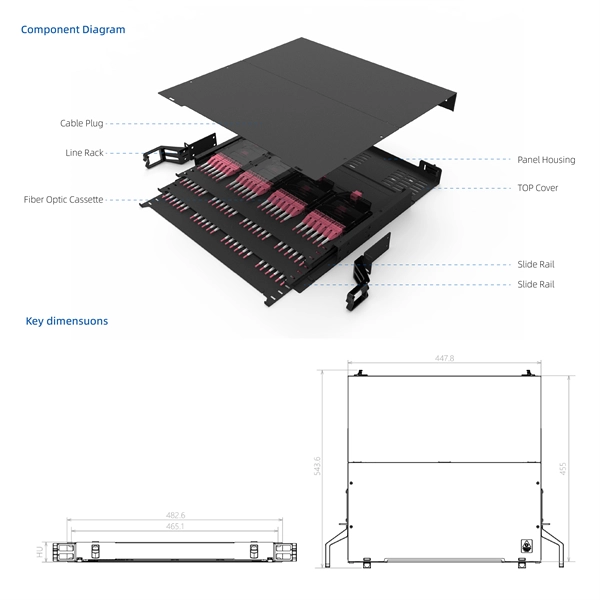
This guide highlights essential precautions including wearing protective gear, disconnecting power sources, handling fiber scraps carefully, avoiding face or eye contact, following regulatory standards, using adequate lighting, and keeping food or beverages away from work areas. Installing fiber optics in your home or workplace is a great way to increase your network's overall speed and bandwidth. But installing them can be a problem for inexperienced installers. However, it would be best if you had simple techniques to install fiber optics smoothly and efficiently. Here. Fiber optic cable installation is a critical process that impacts the performance and reliability of the entire network. Whether you're installing fiber for a new construction project or upgrading an existing network, proper installation is essential for achieving the best results. Improper. What happens if you follow the guidelines for installing fiber optic cable? Follow the guidelines for fiber cable installations to avoid signal degradation, increased attenuation, and potential damage to the cables or connectors. This includes pulling tension, minimum bend radius and crush loads. Installers must understand these specifications and know how to pull cables without damaging them. Following these.
[PDF]

The SYNC protocol provides the basic network synchronization mechanism. The transmission period of this SYNC protocol is configurable. Any CANopen FD device can be configured as SYNC . Synchronous Optical Networking (SONET) and Synchronous Digital Hierarchy (SDH) are standardized protocols that transfer multiple digital bit streams synchronously over optical fiber using lasers or highly coherent light from light-emitting diodes (LEDs). At low transmission rates, data can also be. This comprehensive reference of standardized fiber optic acronyms is a resource for understanding technical shorthand across networking and telecommunications. We add new fiber optic industry acronyms daily to provide the most comprehensive reference. Any CANopen FD device can be configured as SYNC consumer. The purpose for which the SYNC. Rollover or Touch for Expanded View. Features Applications Specifications Lit. / News Ordering The TC1705 Multi-Interface Fiber Optic Modem features modular, field-changeable interfaces to provide fiber communication for applications requiring high data rates and handshaking. It's. Recall from Chapter 1 that we are focusing on packet-switched networks, which means that blocks of data (called frames at this level), not bit streams, are exchanged between nodes. It is the network adaptor that enables the nodes to exchange frames. It was created to streamline the connection of different transmission systems and promote flawless compatibility.
[PDF]
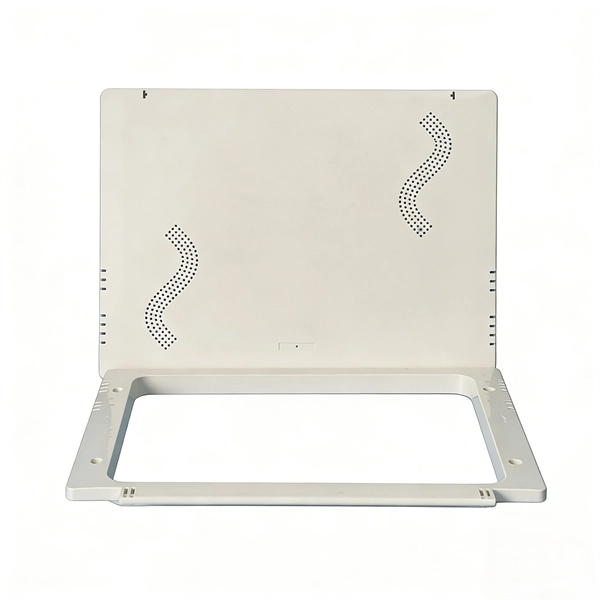
Modern fiber-optic communication systems generally include optical transmitters that convert electrical signals into optical signals, optical fiber cables to carry the signal, optical amplifiers, and optical receivers to convert the signal back into an electrical signal. Their performance directly impacts the transmission quality of optical signals and the stability of the link. Whether in data centers. There are so many different ways to approach optical communication, and every device has its own list of pros and cons. In modern, dense networks, small form factors are a constant necessity. Without such interfaces, you simply can't pack enough networking components into the limited space that is. LC (Lucent Connector) interface: The LC interface is a small optical fiber connector that is commonly used for high-density optical fiber connections, such as equipment connections in data centers and enterprise networks. The common types mainly include the following: 3. 1 SC optical fiber connector: It is a large square. Fiber Optics or Optical Fiber is a technology that transmits data as a light pulse along a glass or plastic fiber. An Optical Fiber is a cylindrical fiber of glass that is hair-thin in size or any transparent dielectric medium. The fiber which is used for optical communication is waveguides made of.
[PDF]
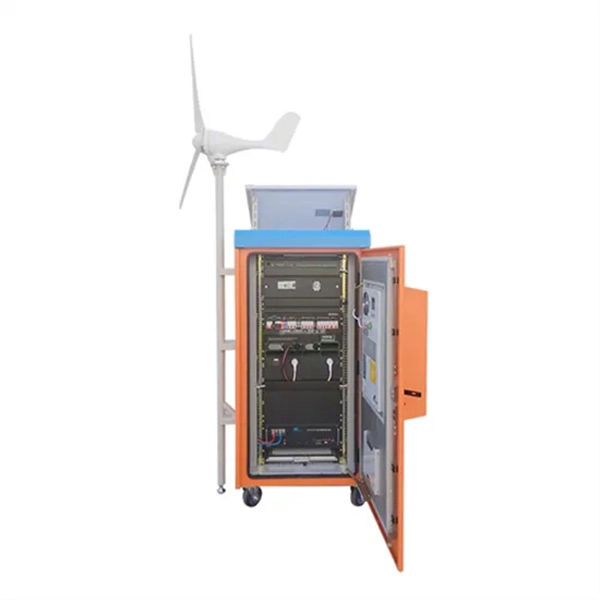
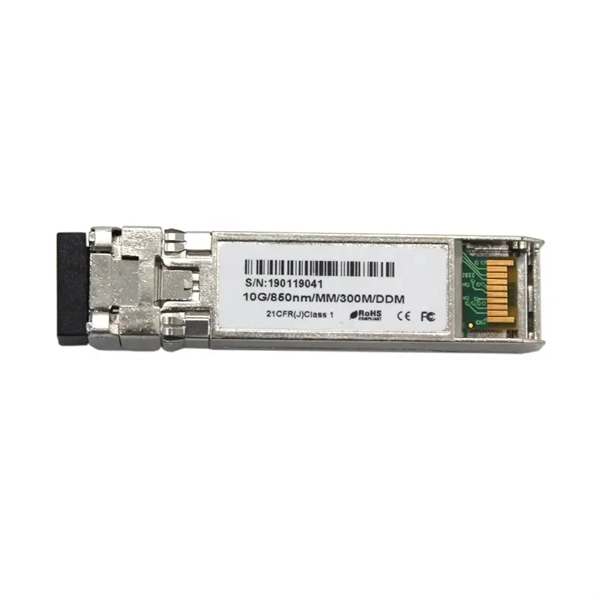
When selecting an SFP module, consider the following factors: Ensure the module matches the speed of your switch or router port (e. Depending on your deployment, choose 850nm, 1310nm, 1550nm, or even CWDM/DWDM wavelengths. SFP (Small Form-factor Pluggable) is a compact, hot-pluggable network interface module used to connect network devices (switches, routers, firewalls) to fiber optic or copper cables. Think of it as the “translator” for your network equipment, converting electrical signals into optical signals. SFP optical modules are the unsung heroes of fiber networking—the essential interface that converts electrical signals from network equipment into optical signals for transmission over fiber optic cable, and vice-versa. Choosing the wrong SFP optical module can result in link failure, instability. Optical transceivers are at the heart of modern fiber networks - connecting switches, routers, and servers with blazing-fast links. Cisco's SFP, SFP+, and XFP modules are among the most widely used standards across enterprise and carrier environments. They determine data rate, transmission. With our expert guide, you can easily maximize network performance while optimizing your expenses the next time you're choosing a switch/router, optic, or supporting cabling. It converts electrical signals into optical (or copper) signals and vice versa. It allows network administrators to adapt hardware to different media types and.
[PDF]
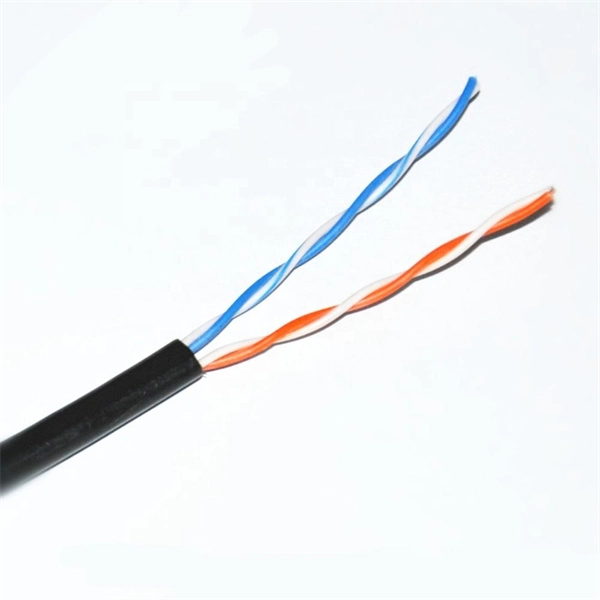
A fiber optic adapter (or fiber coupler) is a passive component used to join and align two optical connectors. It plays a key role in maintaining core-to-core alignment, allowing optical signals to pass through with minimal insertion loss and stable performance. They enable seamless and reliable optical signal transmission between different fiber optic cables, connectors, or devices. In this tutorial. Fiber optic adapters play a critical role in ensuring stable and low-loss fiber connections. This guide covers adapter types, selection criteria, cleaning tips, FAQs, and B2B customization options to help businesses build reliable and scalable fiber networks. Using the wrong type or neglecting cleaning can lead to signal loss and unstable connections. These small yet essential components ensure efficient data transmission, reduce signal loss, and maintain system integrity (1). In this article, we'll explore. Explore the role, types, and applications of fiber optic couplers in telecommunications and data networks in our in-depth article. They serve an essential role in managing the flow of light.
[PDF]
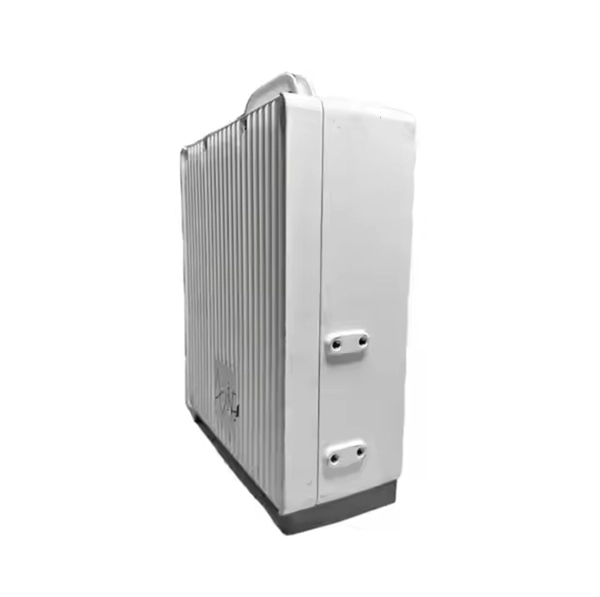
Indoor fiber optic cables represent the backbone of modern connectivity, driving performance improvements and meeting the rising demands of digital communication. Indoor fiber cable is the backbone of modern communication networks within buildings, providing the high-speed data transmission necessary for everything from business operations to home entertainment. As our reliance on fast, reliable internet connectivity grows, so does the importance of. Cabling for FTTx networks more commonly consists of indoor vertical cabling systems in order to connect buildings and distribute high-speed internet directly to users. They are. From high - rise office towers to residential complexes, indoor optical fiber cables play a crucial role in powering high - speed internet, reliable telephone systems, and high - definition video surveillance. The importance of indoor optical fiber cables cannot be overstated. Unlike their outdoor counterparts, which are built to withstand harsh environmental conditions, indoor cables prioritize flexibility, ease of installation, and superior performance in. A fiber-optic cable uses long, thin strings of flexible glass to transmit data in the form of light. A fiber-optic cable holds this string in its center, allowing light to pass through the glass. The sender device converts data into light. These cables are designed specifically for indoor use, featuring lightweight construction and flexible designs that make.
[PDF]
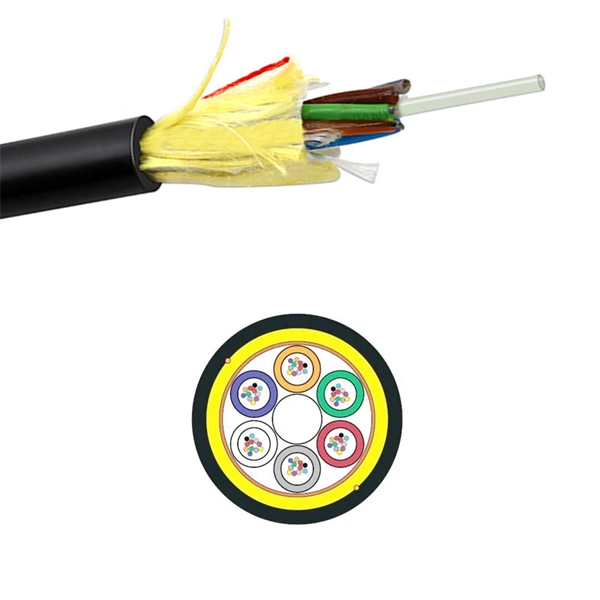
This video shows 2D wave simulations of optical fibers and presents differences between single-mode and multi-mode light propagation. more Audio tracks for some languages were automatically generated. Learn more. This applet is called FIMOC (fiber-optic mode online calculator). With it you will be able to calculate and visualize the propagating modes of any step-index fiber of your choice. If you want to go directly to the software, scroll to the bottom, but if you are interested in where these modes come. Optical fiber sensors have attracted significant interest in the sensing field. This paper presents a C-shaped optical fiber sensor sensitivity enhancement through design. RP Fiber Power is a powerful software for simulation, design and optimization of fiber devices — in particular, fiber amplifiers and lasers as well as other types of waveguide lasers (and even many bulk lasers), but also fiber couplers, multi-core fibers, helical core fibers, tapered fibers and. In this proposed workflow, we couple Ansys Mechanical TM with Ansys Lumerical TM, creating an innovative workflow that can detect the position of a random mechanical strain along an optical fiber. In this proposed workflow, DFOS utilizes standard single mode optical fiber as a sensing element. 1Department of Mechanical and Aerospace Engineering, University of Texas at Arlington, 500 W.
[PDF]
Unlike, single-mode fiber does not exhibit. This is due to the fiber having such a small cross section that only the first mode is transported. Single-mode fibers are therefore better at retaining the fidelity of each light pulse over longer distances than multi-mode fibers. For these reasons, single-mode fibers can have a higher than multi-mode fibers. Equipment for single-mod.
[PDF]
A fiber optic transceiver (also called an optical transceiver) is a compact module that both transmits and receives data signals through optical fibers. It serves a dual purpose — transmitting electrical signals as light pulses and receiving light pulses to convert them back into. Fiber optic communication systems use light pulses to transmit information over long distances via optical fibers. These systems rely on three vital components working together – the communication channel, the optical transmitter, and the optical receiver. The optical fiber cable itself makes up. They consist of a transmitter on one end of a fiber and a receiver on the other end. Most systems operate by transmitting in one direction on one fiber and in the reverse direction on another fiber for full duplex operation. Most systems use a "transceiver" which includes both transmission and. A fiber optic cable consists of five basic components: the core, the cladding, the coating, the strengthening fibers, and the cable jacket. Fiber optics deals with study of propagation of light through transparent dielectric wageguides. The fiber optics are used for transmission of data from point to point location. Such fibers are widely used in fiber-optic communication, where they permit transmission over longer distances and at higher bandwidths (data transfer rates) than.
[PDF]
Fiber optic pigtails are roughly divided into two categories: Multimode and single-mode fiber pigtails. Multimode pigtails consist of 62. 5 or 50-core multimode fiber optic cables that are terminated with multimode connectors. To classify them further, they can be subdivided into OM1. This guide covers everything: what fiber optic pigtails are, how they differ from patch cords, which connector and polish type to specify, how to choose between mechanical and fusion splicing, and the real-world applications where pigtails are the right call. Whether you're building out an ODF. A fiber optic pigtail is a short length of optical fiber —typically 0. 5m to 2m—that has a factory-terminated connector on one end and bare fiber on the other end. The connector end is polished and tested under factory conditions, ensuring low insertion loss and high return loss. The bare fiber end. Understanding the different models and characteristics of fiber pigtails can help users better match system requirements in practical applications and ensure efficient and stable fiber optic communications. The connector end can be linked directly to network equipment, while the exposed end can be spliced to another fiber optic cable. In this comprehensive guide, we explore the different types of fiber optic pigtails available, including MU, LC, SC, FC, DIN, APC, and UPC.
[PDF]