AM-PRO Industrial Co. delivers high-quality electrical panels, distribution systems & cable trays. Based in Mindanao; Davao & Cagayan de Oro, we offer fabrication, engineering & on-site installation services across the Philippines. Cable trays provide a durable and efficient system for organizing and supporting electrical cables in industrial, commercial, and residential settings. Designed for easy installation and optimal airflow, they reduce maintenance costs and enhance safety. Available in ladder, perforated, wiremesh and. Overview: RMRE Electric is a reputable manufacturer and supplier of cable trays in the Philippines, offering reliable solutions for managing electrical cables and wiring. Known for their attention to detail and high-quality products, they focus on delivering practical and cost-effective cable. At Ampro, we specialize in high-quality electrical panels designed for durability and efficiency. Experience the difference with our locally manufactured solutions tailored to meet your needs. AM-PRO INDUSTRIAL CO has been onboarded by a local company recently developed an Intelligent Fire. Complies with IEC and NEMA standards. presents a comprehensive range of Stainless Steel Cable Tray in City engineered to perfection for various. Looking to buy a Stainless Steel Cable Tray in Philippines? Jeetmull Jaichandlall (P) Ltd. We believe in building fruitful business partnerships.
[PDF]
We will first explain standard cable tray dimensions used across the industry, then examine how dimensions vary by tray type, and finally show how to calculate and select the correct size based on real cable data—not guesswork. metallic reinforced Cable Tray The U cable trays are known for their widespread use within the petrochemical sector and their standardisation in some of the most relevant companies of the sector. The range of BASOR U cable trays includes several different heights and thicknesses, to cover all our. HDT steel cable tray, for heavy duty job, comes in standard height of 50 and 100mm. FCL. In practice, cable tray dimensions are a system of interrelated measurements —width, depth, length, and material thickness—that directly affect cable fill compliance, heat dissipation, structural loading, and long-term expandability. From an engineering standpoint, cable tray dimensions are not. TechLine Manufacturing offers engineered cable tray systems designed to support power, control, and instrumentation cabling in petrochemical plants, refineries, and process facilities where corrosion, heat, and environmental exposure are challenges. Our cable trays are produced in fit for purpose materials like stainless steel, galvanized, aluminium and fibreglass (FRP/GRP) composites to suit any project type both offshore and onshore.
[PDF]
These are the most corrosion-resistant tray systems we offer for routing cable and hose in configurations such as curves, slopes, and tees. Cut, bend, and connect the wire mesh trays. They are a lightwei.
[PDF]
Fiberglass trays are the least effective at dealing with heat. At 200°F, fiberglass will lose up to 50% of its rated load. Polyester and Vinyl Ester cable trays are non-metallic, or in a very simple sense, plastic. Your assurance as an engineer should be based on evidence, specifically the Air Thermal Aging Test Report. You don't need to be a materials expert. You need to know how to evaluate three. Cable tray insulation plays a vital role in protecting cables from environmental factors, reducing heat buildup, and preventing electrical hazards. Cable tray systems are commonly used to support and route electrical cables in commercial, industrial, and residential buildings. These systems help. Too much force can rapidly dull tools and also produce excessive heat which softens the bonding resin in the fiberglass resulting in a ragged edge rather than a clean-cut edge. Field cutting is simple and can be accomplished with a circular power saw with an abrasive cut-off wheel (masonry type) or. Fiberglass is made of molten glass spun into micro fibers and is one of the most common types of insulation used. temperature are indicated in the charts below: Calculate heat transfer and heat loss from buildings and technical applications. When this skin breaks, it is not just a small mistake. It is a big safety risk that can cause fires or stop a whole factory from working. There are five main things that destroy this protective layer.
[PDF]
A Trough Cable Tray looks like a continuous “U” shape. It has a solid bottom and two side walls. Think of it as a long, shallow channel for your cables. Some versions have small holes in the bottom. These holes let some air circulate. This helps with cable ventilation to manage heat. A cable tray system is a unit assembly of sections and fittings that forms a rigid structural system used to securely fasten or support cables and wiring. Think of it as a sophisticated “highway” for cables, keeping them organized, protected, and easily accessible. Refers to the approximate height of a cable tray used for specifying. Selecting a specific height will. Tray cable tray is a common type of cable tray, which is a device for routing cables or other wires to support, protect, and organize cables. It is usually made of metal or plastic and presents as a channel with deep grooves that can accommodate cables of various sizes. The characteristics of. A perforated cable tray—also called a ventilated trough tray —features a solid bottom with regularly spaced ventilation holes and continuous side rails. Unlike ladder trays, the bottom surface provides continuous cable support, while the perforations allow limited airflow. Its unique design, featuring a solid bottom and side rails, makes it ideal for a wide range of applications, from industrial plants to.
[PDF]
Step-by-step on-site guide: learn how to plan, mark, support, and install cable trays correctly, from shop drawing approval to final checks. Whether you're building a commercial setup or upgrading an industrial plant, proper cable tray installation ensures neat wiring, safe access, and easy maintenance. But before you lay the first tray or clamp down a single cable, you need a solid plan. This guide breaks down the process step by step. This guide covers the critical steps, from selecting the right electrical cable tray and performing accurate cable fill. , is a welded wire-mesh cable management system made of high-strength steel wire. It is used to manage cables for light B manufactures its cable tray in a range of materials with a variety of finishes. The selection of material and finish is a function of the environment in wh tant in a wide range. Proper installation of cables in trays is critical for maintaining an efficient and safe electrical system. It ensures that all installation activities follow authorized plans, specifications, and standards. The objective is to ensure safety, quality and compliance during the. Welcome to our step-by-step guide on installing cable trays! In this video, we'll explore the different types of cable trays available and provide detailed instructions for their installation. Whether you're an experienced electrician or a DIY enthusiast, this video is perfect for you.
[PDF]
Cables and insulated conductors installed in underground enclosures or raceways must comply with Sec. 10 (C) requirements for the insulation of conductors and cables. 5 (A), when cables or raceways are installed underground, they must have a minimum “cover” in accordance with Table 300. Cover is defined in Note 1 at the bottom of the Table. 5, these rules ensure that underground feeder (UF-B) cable is protected from physical damage. All conductors of the same circuit, including grounded conductors, shall be contained in the same raceway, cable, or trench. The codes shown are examples only and may not be current or accurate for your application or jurisdiction. Contact your local building authority for complete information. NEC. This article is about underground installation requirements, under ground duct bank design requirements as per NEC, underground Trenches, Cable installed in Concrete Trenches as per NEC and International code and standards. Electrical Underground System Applications. Underground installations of. Cable trays and cable trenches are two widely used methods for organizing and protecting electrical cables in industrial, commercial, and residential setups. While they serve the common purpose of routing and securing cables, these systems differ in design, application, installation, and. ductors Grouped Together. All conductors of a parallel.
[PDF]
FCT FRP Cable Trays are made of corrosion resistant fibre reinforced plastic, and are aimed for electrical and instrumentation installations. The design delivers weight reductions while maintaining strength and maximising loading capability. These trays are engineered to. Connection Technology System (CTS) self-designed fiber cable tray to protect your fiber cables and saves your OPEX (Operating Expense). Elegant design to fit right into your living room environment 2. Support various installations method to provide flexibility during fiber installation 3. Easy. The HDT Cable Tray System is equipped with side return flanges and designed to eliminate any sharp edges. This cable tray system incorporates slot patterns, enabling efficient equipment placement and convenient access for cable ties and other fixtures. It is offered in 50 and 100 mm heights, with. Fiberglass Fiberglass FCT-1 Cable Tray Systems Fiberglass Fiberglass How The Service Advisor Works B-Line knows that your time is important! That's why the color-coding system in this catalog is designed to help you select products that fit your service needs. Products are marked to indicate the. Something big is brewing! Our store is in the works and will be launching soon! HDMANN specializes in providing one-stop M&E management solutions centered on cable management systems, covering key aspects such as power distribution and control, lightning protection, and grounding, focusing on.
[PDF]
Advantages and disadvantages of using cable tray: easy installation, ventilation, cost-effective, limited load capacity. Solid-bottom Cable trays for fiber-optic cable installations where drooping of cables may affect system performance, solid-bottom (non-ventilated) cable trays are preferred. However, the main reason for selecting solid-bottom trays is a concern for electromagnetic/ radio-frequency interference. Cable trays are a modern and essential solution for cable management, widely used in both commercial and industrial settings. They offer an organized and secure way to support electrical, data, and communication cables, ensuring easy access and maintenance. Advantages and disadvantages of using. The following table compares ladder and perforated cable trays based on design, application, airflow, cost, and cable support: Cable trays offer several key benefits: Easy Installation: Quick and easy to install. No special training or expertise is needed. Easy Maintenance: Since cables are. Given cable trays are used in a wide variety of environments, from residential to industrial, it's fair to expect that there are plenty of advantages to using them. Learn about ladder, perforated, solid-bottom, wire mesh, and channel trays in this complete guide. What is Cable Tray Systems? 1.
[PDF]
Download a comprehensive set of Cable Tray Installation CAD Blocks in DWG format, ideal for electrical engineers, MEP designers, and industrial layout planners. This article shares simple ways to plan your cable trays and wiring. We want to help electrical engineers, technicians, and anyone working with electrical setups build safe and good systems. This collection includes installation details for ladder trays, perforated trays, solid-bottom trays, and wire mesh trays, along with. This guide provides step-by-step instructions on installing a cable tray on a wall, covering different types of cable trays, tools needed, and safety tips. The Ladder Tray features light, rugged, tubular steel construction. It is designed for. In industrial settings, electrical and instrumentation (E&I) cable trays or bridge racks play a critical role in organizing and supporting power, control, and signal cables across facilities. An effective layout ensures safety, minimizes interference, reduces maintenance time, and keeps the overall. ALL TO BE CLEANED WITH A COMMERCIALLY AVAILABLE CLEANSER PRIOR TO ALL MARKERS AFFIXED PRIOR TO INSTALLATION OF ANY CABLE. BONDING JUMPER SHALL BE INSTALLED FOR ELECTRICAL CONTINUITY ACROSS ALL DETAIL AT INTERFACES AND/OR CONDUIT BUSHINGS SHALL INSTALLED FCR ENTRY OF CABLES.
[PDF]
This guide covers best practices for cable management, routing, and pathway selection to help keep your infrastructure reliable, organized, and easy to maintain. Plan Your Cable Pathway Layout Every cable routing job starts with a solid layout. Before running. Cable tray systems provide a safe, organized, and flexible method for supporting insulated conductors and cables in commercial and industrial electrical installations. When properly selected and installed, cable trays simplify routing, improve accessibility, and support future expansion while. Article Summary: A compliant cable tray installation requires a thorough understanding of NEC Article 392, proper structural support, and precise installation techniques. This guide covers the critical steps, from selecting the right electrical cable tray and performing accurate cable fill. Installation of Cable in Cable Trays involves precise routing on support systems, NEC/IEC compliance, grounding, ampacity derating, bend radius control, segregation of services, fire safety, labeling, and reliable cable management for industrial and commercial facilities. The use of ladder-type. Adhering to IS 1255:1983, the following step-by-step procedure ensures proper installation of a 1200mm wide cable tray in a basement setting. Each step considers best practices for durability, safety, and efficient cable management.
[PDF]
We offer Cable Tray in Iran in different specifications at competitive market prices. Our range is customized and passes stringent quality tests, before reaching the market. As one of the best Cable Tray Manufacturers in Iran, we offer modular products. LTP Atek Resistance Line Model LTP 150 rn Resistance ruler (ohm)rnResistance ruler (ohm) is one of the most common electronic rules that allows for accurate equipment movements. This ruler can be used with PLC in the industry. rnrnrn [Click here to view resistance lines. We are an official sole agent of SPINA/ SCHIAVETTI TEKNO in Iran to provide electric cable tray systems and relevant accessories. We offer a technologically advanced production line and a complete product catalogue of cable trays and accessories, ensuring excellence post-sales and technical. We are a distributor of Cable Tray in different shapes and materials. We are located at Tehran_North and you can contact us at info@ParsianGostar. ir I N F O @ N A N O T E J A R A T. C O M | 0 9 1 2 5 0 3 0 0 7 1. Micro Sheet Crafts have been involved in offering a wide range of storing systems and solutions, as per the requirements of the customers. Cable House has earned loads of appreciation in the market as one of the reputed manufacturers of Cable Tray in Iran.
[PDF]
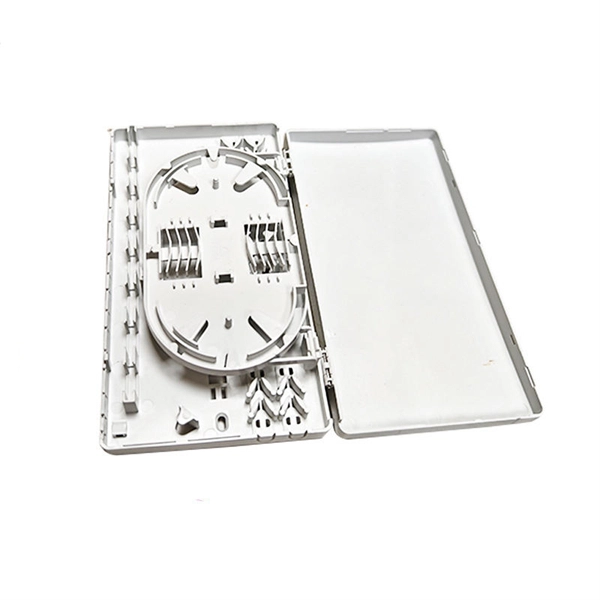
Tray cables (TC) are multi-conductor cables designed and rated for installation in cable trays and raceways or supported by messenger wires. The types of cables, allowed in cable trays, and the wiring methods permitted in cable trays can be found in NEC Section 392. This Section also lists various corresponding NEC Articles which describes the conditions of use, and installation requirements for a particular class or type of. Tray cables are versatile and durable electrical cables used for power, control, and signal transmissions in various industrial environments. Tray cables are ideal for settings that require. Prysmian's CHTC® product line consists of multi-conductor copper instrumentation and control cables with a flame-retardant cross-linked polyethylene insulation (XLPE) and a cross-linked chlorinated polyethylene (XL-CPE) jacket. Unlike standard electrical cables, tray cables feature enhanced insulation and jacketing to withstand mechanical stress and exposure to oil, sunlight. PLTC cable, also known as power limited tray cable, plays a crucial role in modern electrical systems. This specialized cable type offers unique advantages for various applications, particularly in industrial and commercial settings. It handles heavy cable loads and spans up to 20 feet between supports depending on loading. The open construction makes cable installation and removal straightforward. Ventilated trough tray has a solid bottom with.
[PDF]
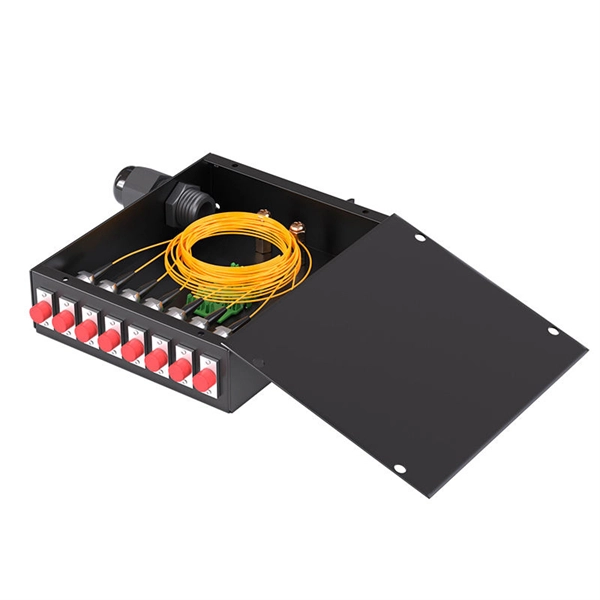
Strong hangers or brackets should be used to ensure that cable trays do not fall or hang. According to the regulations under NEC 392. Perforated cable tray is a kind of cable tray with holes on bottom sheet and side rails for laying power and signal cables for the purpose of distributing electricity, signaling in industrial plants, department stores, gyms, hospitals, airports and other industries. Compared with channel cable. These specialized cable management systems feature strategically placed holes that provide exceptional ventilation while maintaining structural integrity and easy cable access throughout the installation process. The installation of a perforated cable tray system requires careful planning, proper. The design of a perforated cable tray includes holes or slots that allow for easy cable fastening. These design elements make cable management simpler and more efficient. With secure fastening points, you can organize your cables neatly while minimizing any risk of tangling. One of the standout. The primary rulebook used in the safe use of cable trays is NEC Article 392. This is a description of how to select, install, and support these metal or plastic frames, on which electrical wires are installed. Cable Trays are usually used when there is a multiple wire arrangement for power and signal cables. When the load is heavy the wires can overheat, particularly if the cabling system is.
[PDF]
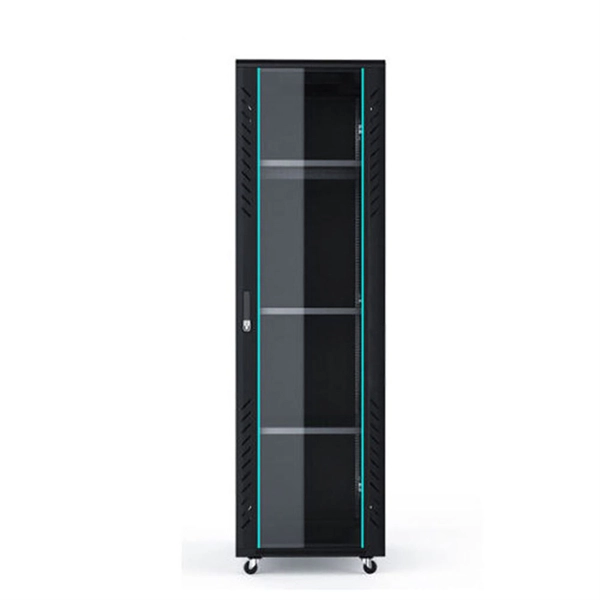
Pre-galvanized steel trays offer economical solutions for indoor installations but typically last only 5-7 years in humid environments. For coastal industrial settings, hot-dip galvanized steel cable trays provide superior corrosion resistance, extending service life beyond 15 years. These trays carry important power and communication cables, and if they fail, things can get messy and unsafe. Understanding Cable Tray Service Life helps you plan, budget, and keep everything running smoothly. We think it's key to know what affects how long a cable tray does its job well. Critical. Cable trays refer to a rigid structural system composed of channel or ladder straight sections, elbows, components, and supports (arm-type brackets), hangers, etc. to provide close support for cables. Depending on the structure, cable trays are divided into ladder cable trays, channel cable trays. The warranty period of cable trays usually varies according to the manufacturer's regulations and the usage environment. Generally speaking, the warranty period of cable trays is between 5 and 20 years. The following are some factors that affect the warranty period: 1. Materials and manufacturing. Wire mesh cable trays have established themselves as a preferred choice for cable management in various industries due to their durability, efficiency, and adaptability. Unlike conventional cable management systems, wire mesh trays are built to last, offering long-term reliability that spans.
[PDF]