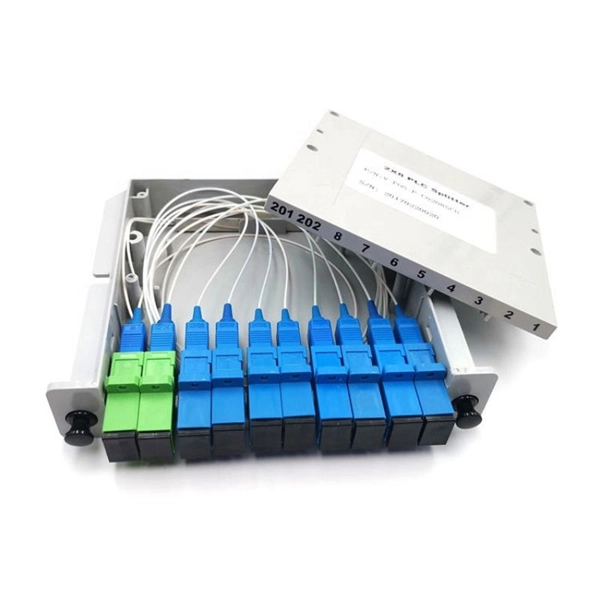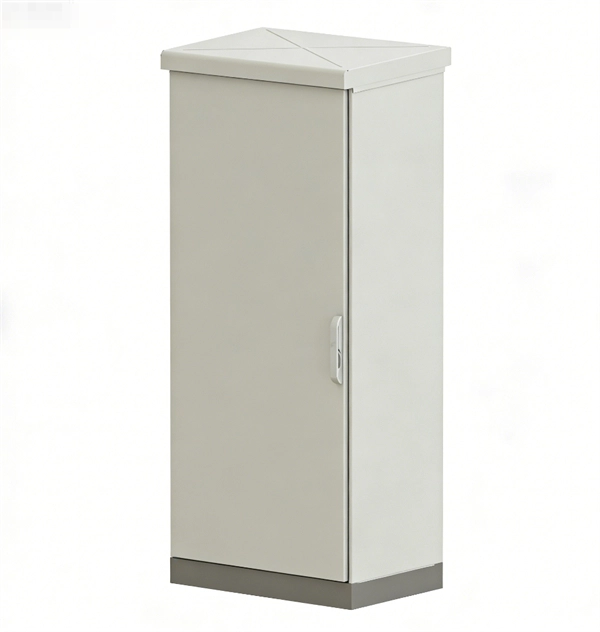
In this article we'll break down how fiber internet is installed - from the network fiber drop outside your house to the in-home setup with your router and gateway - and what you should expect at each stage. However, setting up a fiber optic connection to your router can seem daunting if you're unfamiliar with the process. Why Use Fiber Optic Internet? Before diving into the setup, let's quickly. To set up your router for fiber internet quickly, connect the router to your fiber modem, access the router's settings via a web browser, and input the provided ISP credentials. Make sure to update the firmware, configure Wi-Fi security, and customize your network name for optimal performance. This comprehensive guide combines industry standards with field-tested practices to ensure you achieve a rock-solid. Setting up a fiber internet connection requires understanding key hardware components and following a specific connection sequence to establish your home network. This guide details the necessary physical and digital steps to connect your fiber line and activate your internet service. The fiber. This guide walks you through the complete fiber installation process, from checking availability to optimizing your Wi-Fi network performance. Fiber optic internet is generally installed in the following 5 steps, which we'll dive.
[PDF]
Press Windows + R to open the Run dialog box. Type cmd and press Enter. Look for the “Default Gateway” under your network connection (usually listed under Ethernet adapter or Wi-Fi adapter). Open up Command Prompt, PowerShell, or the Windows Terminal, then. If you need to log in to your router, you'll need to know its IP address. Fortunately, finding your router's IP address on any computer, phone, or tablet is easy. For more detailed instructions, read on. By default, eth1 is set up as a DHCP client, while eth0 is assigned a static IP address of 192. To configure the EdgeRouter, proceed to the appropriate section: DHCP or “Static IP Address”. Most routers have their default IP address printed on a label at the bottom or back of the device, or it's mentioned in the user manual. If you still have the router's manual or box, this is the.
[PDF]