Buy SRGROUND - EATON TRIPP LITE - Bus Grounding Bar, 42U Rack Enclosure Server Cabinets, SmartRack Series. Newark Electronics offers fast quotes, same day dispatch, fast delivery, wide inventory, datasheets & technical support. Tripp Lite 42U Rack Enclosure Server. Your purchasing power is This item is a recurring or deferred purchase. By continuing, I agree to the cancellation policy and authorize you to charge my payment method at the prices, frequency and dates listed on this page until my order is fulfilled or I. The SRGROUND is a full length (42U) bus grounding bar made from heavy-gauge solid copper that attaches to Rack Enclosure Cabinets or Open Frame Racks to provide convenient ground contact for standard rackmount equipment. Every other U space has a drilled and tapped hole to allow a ground wire. Eaton's Tripp Lite business provides industry-leading digital infrastructure solutions to power and connect everything in your world. Our product and expert personnel allows us to bring you comprehensive and innovative solutions backed by quality, service and support you can trust. Price may vary for registered customers. Due to the unusual shape or weight of this item, additional shipping charges may apply. Every other U space has a drilled.
[PDF]
In residential solar installations, a Solar Distribution Box plays a key role in ensuring safe electricity distribution for homes. Industrial solar systems require. The photovoltaic distribution box serves as a critical component in modern solar energy systems, acting as the central hub that manages and distributes electricity generated by solar panels. Without it, the risk of electrical faults, system failures, and energy loss increases significantly. As solar adoption continues to rise globally, understanding. At the heart of a safe and high-performance Photovoltaic (PV) installation lies a component that is often overlooked but plays a critical role: the Solar Combiner Box. It acts as a silent guardian, functioning not just as a simple connection box, but as the “central nervous system” of the. This guide explains how solar combiner boxes work, when they're necessary, which type suits your installation, and proper safety protocols for optimal photovoltaic system performance. What Defines a Solar Combiner Box? A solar combiner box is an electrical junction enclosure designed to. In every photovoltaic (PV) system, stable power generation relies on more than panels and inverters. Hidden behind the scenes is a critical piece of equipment: the PV combiner box. Though easy to overlook, this device plays a decisive role in current collection, circuit safety, surge protection.
[PDF]
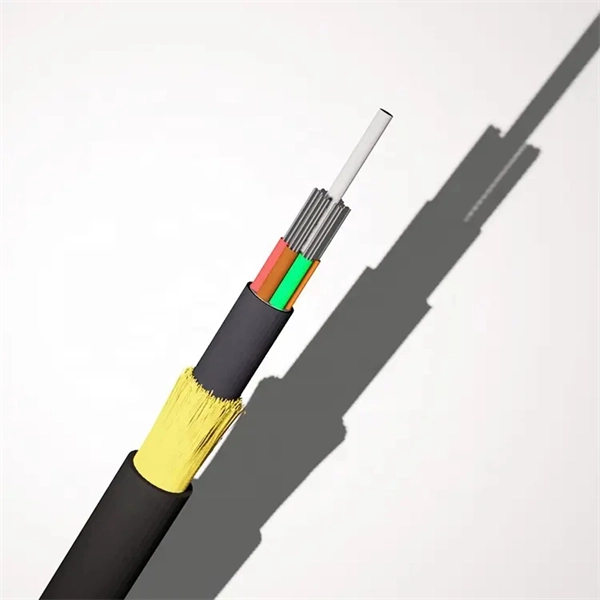
Corning LSZH™ loose tube gel-free cables are flame-retardant, indoor/outdoor, suitable for installation in interbuilding and intrabuilding applications. The loose tube design offers mechanical ruggedness and environmental durability. The water-swellable yarn eliminates the need for gel-filling. omply with common industry standards for indoor and outdoor applications. To withstand harsh outdoor environments the cable shall have UV resistance and gel-free water-blocking features. To meet indoor safety requirements, the cable shall use materi ls that comply with IEC standards for low smoke. When you are buying outdoor fiber optic cable by the kilometer, the Jacket (Sheath) is the only thing standing between your glass cores and the elements. Get it right, and your network runs for 20 years. Get it wrong, and you'll be digging up that trench again in 18 months because water got in. Optical fibers reinforced with aramid yarns and sheathed in a flame retardant Low Smoke Zero Halogen compound. Indoor/Outdoor cable is designed for internal or outdoor use primarily in structured wiring systems in backbones. Fiber indoor/outdoor cable, LazrSPEED ®, Single Jacket All-Dielectric, Low Smoke Zero Halogen (LSZH), 24 fiber, Multimode OM4, Gel-Free, Stranded Loose Tube, Black jacket color, Feet cable marking, Eca flame rating Finish making your selections or clear them to view relevant specifications.
[PDF]
This video makes connecting your fiber optic cable to your router a breeze! We'll guide you through the entire process step-by-step, ensuring a smooth and hassle-free experience. Our Experts are helping user's, who are facing issues with their tech gadgets like Router . In this guide, we'll walk you through how to connect a fiber optic cable to a router safely and efficiently. Why Use Fiber Optic Internet? Before diving into the setup, let's quickly recap why fiber optics are worth the effort: Lightning-fast speeds (up to 1 Gbps or higher). If you. The fiber optic cable does not plug directly into a standard home router because the signal type must be translated. The fiber line terminates at the Optical Network Terminal (ONT), which is typically supplied and installed by the internet service provider. This comprehensive guide combines industry standards with field-tested practices to ensure you achieve a rock-solid. Turn on the router; 2. Plug one end of the network cable into either of the router's ports and the other end into the Internet wall socket or the LAN port of an optical modem or ADSL modem. Does it help? Copyright © 2010 - 2026 Xiaomi. Check compatibility: Before you begin, make sure your router supports fiber optic connection. Not all routers can connect directly to a fiber cable, so it is important to verify this information before continuing.
[PDF]
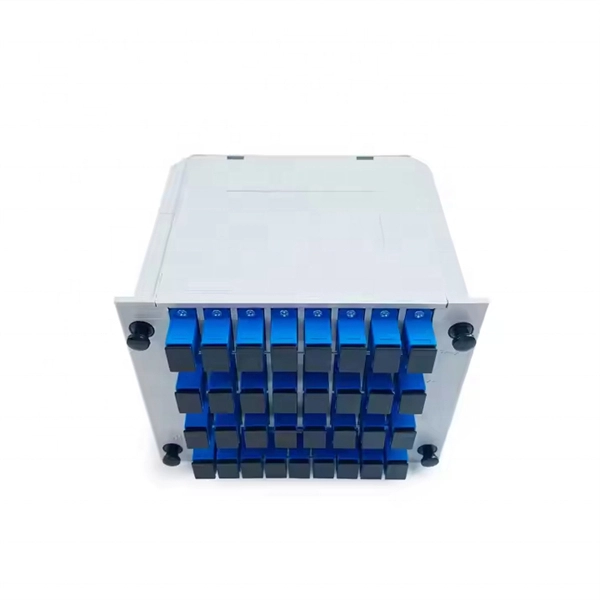
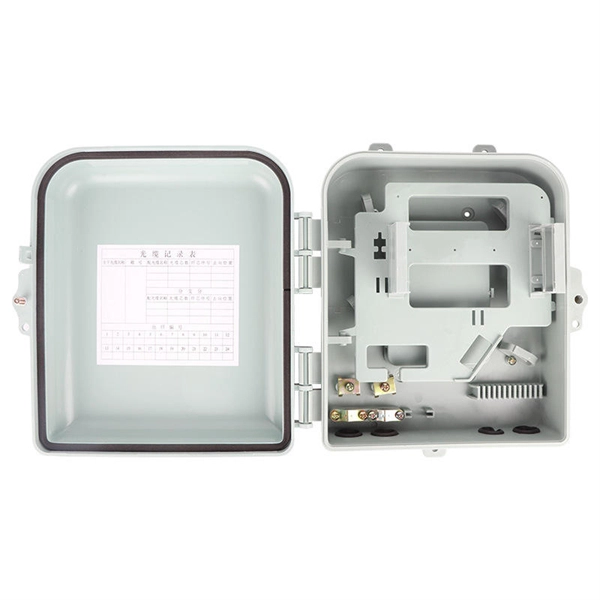
This complete guide explores everything you need to know about ODFs — from their structure, types, and key components, to installation best practices and modern design trends. Whether you're building a central office, data center, or FTTx distribution network, understanding the right ODF. In the complex architecture of fiber optic networks, the Optical Distribution Frame (ODF) serves as the linchpin for organizing, protecting, and distributing optical signals. It's where incoming and outgoing cables meet. It does four key things: Think of it as the central hub for your fiber network. Without it, cables get tangled. All. How to Splice 4-Fiber Optic Cable with ODF | Step-by-Step Fiber Optic Splicing Tutorial. Whether you are a beginner or a professional in fiber optic networking, this guide will help you splice. Fiber Optic Infrastructure Specialist (19Y Exp) | One-Stop: Fiber Cables, Distribution Boxes, Splice Closures, Splitters & Patch Cords | Sourcing for ISPs & Contractors in EU/Africa. It is used to terminate, connect, and distribute optical fibers, and it can be installed in various environments such as data centers, telecom rooms, and central offices. In this article.
[PDF]
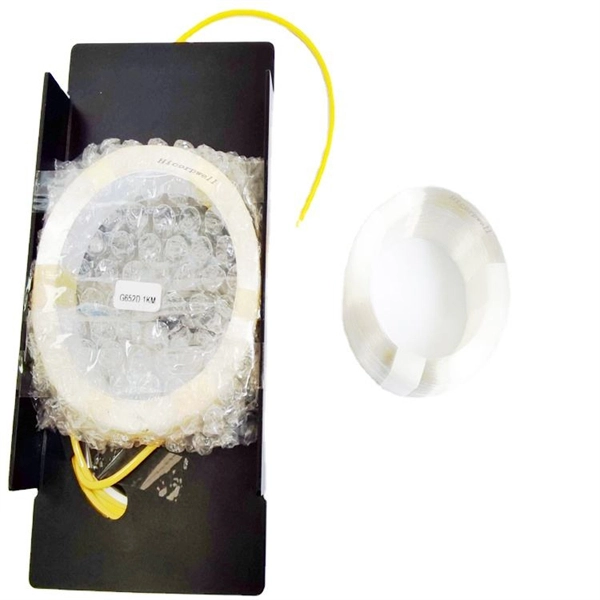
Flexi ZWP is a single mode fiber that has low water peak sattenuation and low optical losses in the entire bandwidth range. The two layers of acrylate coating enhances the fiber reliability and is of specific use in high-speed data transmission needs. Recommendation ITU-T G. 652 describes the geometrical, mechanical and transmission attributes of a single-mode optical fibre and cable which has zero-dispersion wavelength around 1310 nm. 652 fibre was originally optimized for use in the 1310 nm wavelength region, but can also be used in. gh modulus plastic. The tubes are filled with a water-resistant filling compound. A Fiber Reinfor ed Plastic (FRP) locates in the center of core as a non-metallic strength member. The cable core is. G. Whether it is a long-distance network, local network, or access network, it is the absolute protagonist, accounting for more than 95% of its overall. Optical Fiber (OF) forms the core of any OFC product, and HFCL is proud to be one of the finest producers of high-quality and multi-configuration Optical Fiber. HFCL facility manufacturing Optical Fiber houses the latest cutting-edge machinery delivering premium products, enabling HFCL to maintain. There are 19 different single mode optical fiber specifications defined by the ITU-T, among which G. 652 fiber is the most commonly used. 652 Fiber? Among all the single mode fiber types, G.
[PDF]
This document provides the users of USB4000 Spectrometers with instructions for setting up, calibrating and performing experiments with their spectrometer. Remote fiber optic spectroscopy is a sophisticated technique that uses fiber optic couplers, cables, and accessories to analyze samples at a distance from the spectrophotometer. The technique unlocks a range of experiments that standard UV-Vis or fluorescence instruments cannot accommodate. The. Fiber optic spectrometers have revolutionized the field of remote sensing and data acquisition, providing unprecedented flexibility and precision. These devices utilize the unique properties of fiber optics to measure and analyze the spectral composition of light, making them indispensable tools in. The Cary 60 Fiber Optic Coupler and the Cary 60 Dip Probe Coupler are optional accessories for the Cary 60 UV-Vis spectrophotometer. Both accessories convert the Cary 60 UV-Vis into a remote fiber optic measurement system. Contains descriptive. Near-Infrared Spectroscopy (NIR) offers important advantages in analytical chemistry, particularly in process monitoring and quality control across various industries. This paper details the operational principles, methodologies, and significant advancements in NIR spectroscopy, emphasizing the. The basics of fiber optic cables and bundles and how they can be used to collect and direct light are discussed in 'An Introduction to a Spectrometer: Fiber Optic Bundles'.
[PDF]
Picking up the best router for fiber internet isn't just about going to the market and choosing one of the best wireless routers. Instead, you need to carefully look at its specs, performance, and the type of securit.
[PDF]
Typically, core switches are Layer 3 switches equipped with robust network management capabilities. They are characterized by numerous ports and high bandwidth, offering greater reliability, redundancy, throughput, and lower latency compared to access and aggregation switches. Engineered to aggregate massive volumes of data from distribution switches, it provides ultra-low latency and maximum throughput to ensure uninterrupted routing and packet. A core switch is a high-capacity network switch that functions as a network's backbone or core layer. It's responsible for accurately routing communication among layers and departments of different sections. In a nutshell, it helps convey vast chunks of data at greater speeds. For a network with. Layer 3 switches are key tools in modern networking, improving both efficiency and flexibility for enterprise networks. Examples include Cisco Catalyst 9300, Ubiquiti UniFi Enterprise XG 24, Juniper EX Series, and FS N5850. These devices enhance performance and security by routing internally at.
[PDF]
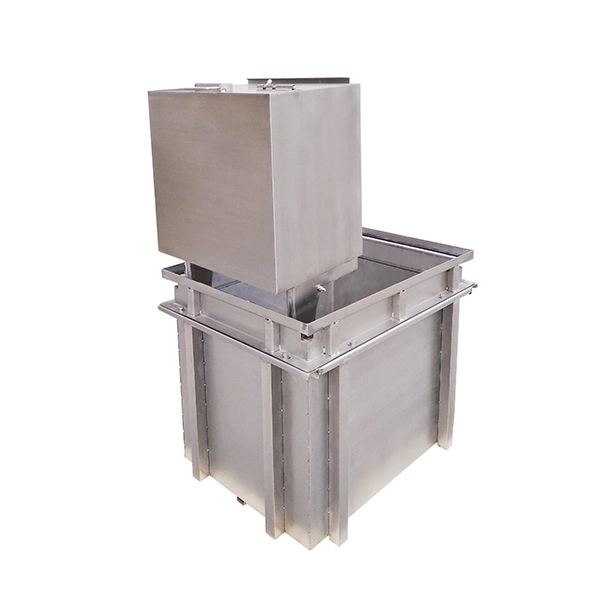
This comprehensive guide explores the technical requirements, design considerations, and best practices for implementing junction boxes in wind turbine power distribution systems. Junction boxes in wind turbines perform multiple essential functions that. These robust enclosures serve as the nerve centers for power distribution, protecting sensitive electrical connections from extreme environmental conditions while ensuring reliable energy transmission from blade to grid. For manufacturers and operators in the wind energy sector, understanding the. ABB offers a total ev charging solution from compact, high quality AC wall boxes, reliable DC fast charging stations with robust connectivity, to innovative on-demand electric bus charging systems, we deploy infrastructure that meet the needs of the next generation of smarter mobility. ABB's Low. Voltage instability is a growing concern in modern distribution networks with high penetration of wind energy due to the intermittent nature of wind generation. This study introduces an intelligent framework for the coordinated placement and sizing of fixed capacitors, switched capacitors, and. It enables remote control of the turbine and load via IoT platforms like Blynk, ensuring efficient power generation, smart storage, and reliable energy use in off-grid areas. · GitHub 🌬️ Real-Time Data-Driven Intelligent IoT-Based Wind Energy Management System 🧑💻 Developed by: Janarthanan.
[PDF]
Picking up the best router for fiber internet isn't just about going to the market and choosing one of the best wireless routers. Instead, you need to carefully look at its specs, performance, and the type of securit.
[PDF]
This article provides a detailed exploration of Fiber Amplifiers—what they are with regards to Fiber Cabling, how they function, their types, and their significance. Probably the most important application of fiber amplifiers is in optical fiber communications, i., data transmission through optical fibers., every 50 km of fiber. Based on their location and function within the fiber optic line, they are generally categorized as relay amplifiers, preamplifiers, and power amplif. more How to use a fiber. This article explains what optical amplifiers are, how optical amplifiers work, their main types, and why optical amplifiers are indispensable in modern fiber networks. What Is an Optical Amplifier? An optical amplifier is a device that increases the intensity of a light signal traveling through an. High Power Fiber Amplifiers (HPFAs) are critical components in modern optical systems, designed to boost weak optical signals into high-power outputs. Whether you're building long-distance communication links or powering high-intensity laser applications, HPFAs offer the performance, stability, and. Amplification can take place in two ways: the optical signal can be detected, converted to an electrical signal, then returned to the optical domain by modulating an optical source, or an amplifier that directly amplifies the optical signal can be used. The fiber is doped with rare earth elements, such as.
[PDF]
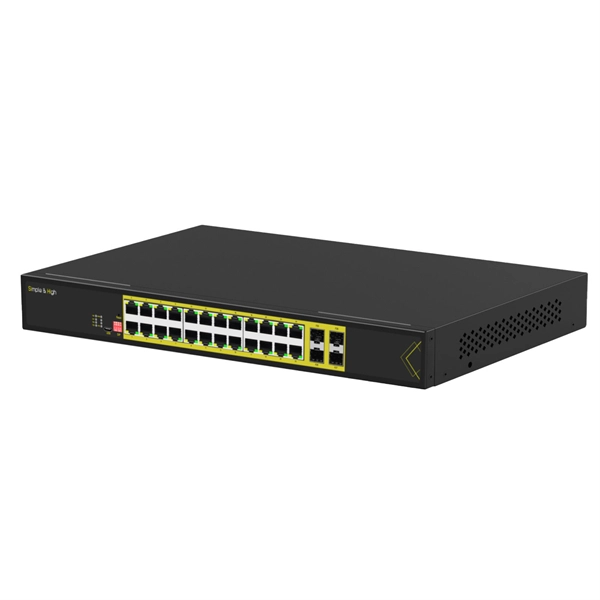
The main switch, or main breaker, controls the entire electrical supply to the distribution box. This large switch allows you to disconnect all power to the building during emergencies or maintenance work. It's typically rated for the maximum current capacity of the electrical. Isolation switches in distribution boxes ensure electrical safety by disconnecting circuits for maintenance, preventing shocks, aiding compliance, and improving system reliability. What Is an Isolation Switch? An isolation switch (also called an isolator or disconnector) is a device that separates. Messy distribution boxes are dangerous and very hard to fix. You will learn to build a safe, efficient, and professional electrical system today. Unlike circuit breakers that protect against overloads and short. As the main switch is separated from the whole distribution box, it can also be used as the power supply terminal (including bus bar) for the protection function of switching, and can also be used as the backup protection circuit of feeder. Switchboards typically have a maximum voltage rating of 600 Vac/Vdc and a. A distribution box, also known as a distribution board, electrical panel, or breaker box, is an enclosure that houses electrical components responsible for distributing electricity throughout a building. It receives power from the main electrical supply and divides it into separate circuits, each.
[PDF]
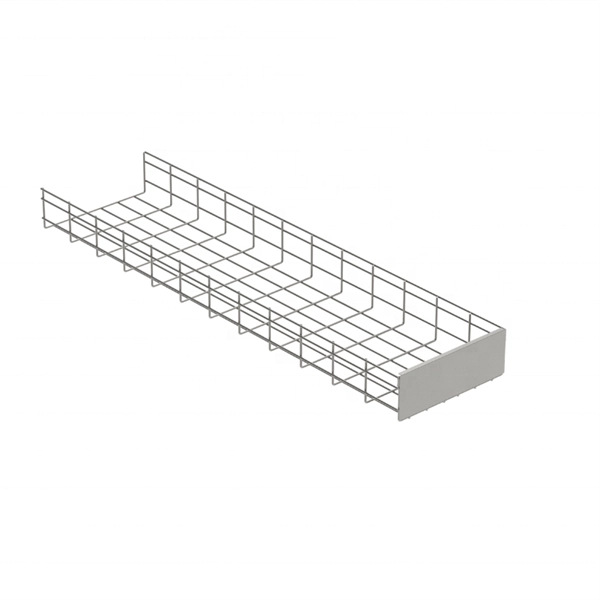
Press the Percent T/A selector to select Percent Transmittance or Percent Absorbance mode. Locate the wavelength dial beside the sample chamber and set it to the desired wavelength. Don gloves and wipe a cuvette with a lab wipe to clean it and remove any fingerprints. A spectrometer is an analytical tool used across various scientific disciplines to measure how a substance interacts with light. Specifically, a UV-Visible Spectrometer measures the absorption or transmission of light in the ultraviolet (UV) and visible (Vis) regions of the electromagnetic. How did a Spectrophotometer help scientists identify a species of bacteria that can clean up pollution? What is a Spectrophometer anyway, and how do you use one? In this video, Jayme Dyer answers these questions and provides practical Pro-Tips for how to use a Spectrophotometer in the lab. It consists of two parts: a spectrometer and a photometer. The spectrometer provides light at a specific wavelength. When you use spectrophotometry, you gain skills that help in many science fields. You will see that. Here's a step-by-step guide to using a spectrophotometer effectively. Blank Calibration: Fill a. Turn the Device on and Allow It to Warm Up 2. Clean and Prepare Containers and Control Samples 3. Standardize the Device According to Manufacturer's Directions 4. Choose Your Measurement Comparisons and Capture Data Spectrophotometric solutions simplify the science of quantifying chromatic data for.
[PDF]
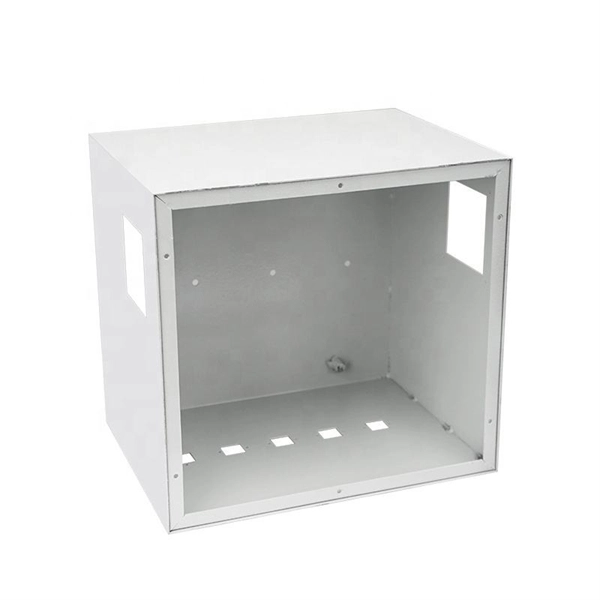
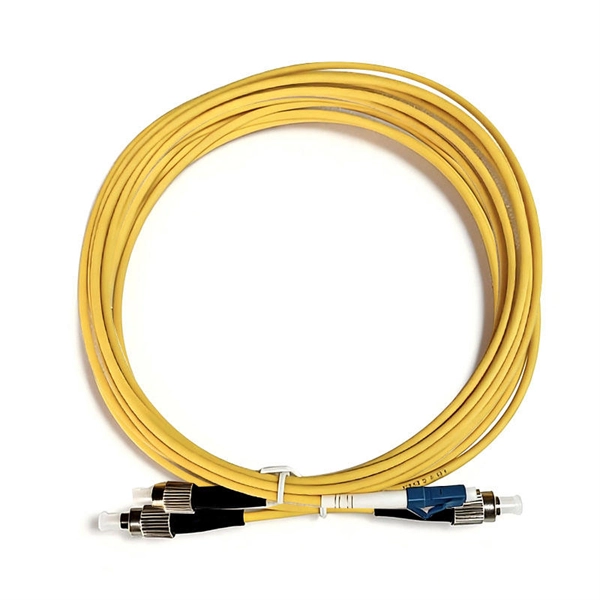
Fiber Connection: Locate the optical port on your router and carefully insert the fiber cable's connector, ensuring a snug fit. Click it into place if it has a locking mechanism. Power Up: Connect the power cords to your router and any additional devices (ONT, media converter) and. Proper connection of fiber optic cables is essential to harness these benefits fully, as even minor errors can lead to significant performance issues like signal loss. This article will guide you through the necessary tools, materials, and methods on how to connect fiber optic cables effectively. Fiber optic internet delivers blazing-fast speeds and reliable connectivity, making it a top choice for modern homes and businesses. However, setting up a fiber optic connection to your router can seem daunting if you're unfamiliar with the process. Before you start, gather the right tools. You don't want to dig around mid-job for something small but essential. Each tool helps you protect the fiber. The process to connect fiber optic cable to router requires careful attention to detail, but I'll walk you through every critical step with the precision and clarity you deserve. The fiber. The process involves a combination of national infrastructure, local engineering, and property-level setup. In this guide, we'll break down the fiber installation process from start to finish and explain key components such as fiber cabinets, flower pods, ducting, and ONT setup. What Is Fiber Optic.
[PDF]