Cable tray support quantity can be calculated using a simple formula: Support Quantity = Total Length ÷ Support Spacing + 1 20 ÷ 2 + 1 = 11 supports In a typical project, a 20-meter cable tray with 2-meter spacing requires 11 supports. This article explains the principles, methods, and practical examples for calculating cable tray support quantity. Select Fill Standard: Choose 40% for power cables (NEC compliant) or 50% for. The right cable tray sizing calculator helps engineers turn cable schedules into a verified tray width and fill check before material ordering and site installation. For licensed electricians, mastering these principles is essential. Maximum allowable tray fill per Area (in^2) Tray Design Depth = Sum of OD (in) Total Cross Sectional Areas of all cables: Total Sum of the Diameters: in. Per NEC Tray Sizing Instructions 1) Insure that macros have been enabled. 9 (B), when using ventilated tray with multi conductor control cable, the sum of the cross sectional areas shall not exceed 50 percent of the interior cross section of the cable raceway / tray.
[PDF]
8032 is the gold standard for implementing ring networking topographies. When implemented properly, G. 8032 management safeguards Ethernet traffic and achieves recovery times of less than 50 milliseconds (ms). This document provides basic background information regarding adding ring redundancy in your wired Ethernet networks. It will explore the N-Tron proprietary protocol N-Ring and how it is a step up from IEEE Spanning Tree and Rapid Spanning Tree Protocol (STP, RSTP). Examples for creating a. Ethernet Ring Protection Switching (ERPS) is an effort at ITU-T under G. 8032 Recommendation to provide sub-50ms protection and recovery switching for Ethernet traffic in a ring topology and at the same time ensuring that there are no loops formed at the Ethernet layer. This ITU-T specification is. Device Level Ring (DLR) is a Layer 2 protocol that enables redundancy in a ring topology, providing fast network fault detection and reconfiguration for industrial networks. DLR is an EtherNet/IP™ protocol that is defined by the Open DeviceNet® Vendors' Association (ODVA). 8032 management safeguards. The ITU-T G. ERPS is similar to spanning-tree protocols, but ERPS is more efficient because it is customized for ring topologies.
[PDF]
While there are situations when you will have to route cable through structural members such as studs, joists, and rafters, the job is much easier if you can run the cable along the surfaces of these frames. When you have a situation where you need to run cable through. Running new wiring within existing, finished walls of a wood-framed structure is a common necessity for home upgrades, whether for installing low-voltage data and audio cables or for extending line-voltage electrical circuits. Another is to conceal the cords and cables within the walls. This guide will help you learn how to run low voltage cables through the wall using low voltage boxes and face plates. To learn how to add. Many home improvement projects require you to install new electrical cables inside finished walls. The process is often called "snaking" or "fishing," with good reason. Cables often must be bent, slithered and coaxed around stud spaces and through small holes in the framing. Click on any image to see a larger version. When installing an electrical box, drill a hole in the floor between the studs on the same side as the electrical box. Staple down the wire right above the hole and. Method One: In order to cut the panel correctly, you first need to make the right measurements. Mark this distance on the panel you will be using. Make sure to mark this from the top.
[PDF]
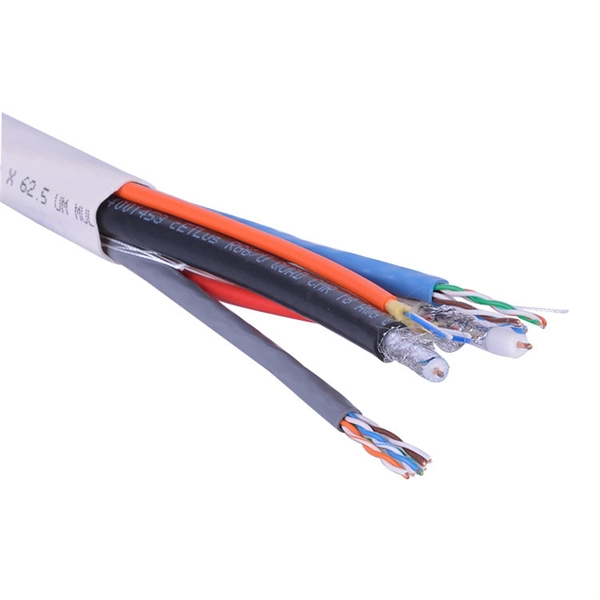
Engineered for FTTH network systems, this all-in-one outdoor optical distribution box seamlessly integrates splicing, splitting, distribution, and cable storage within a single, weatherproof enclosure. The 8 core optical branching box is produced and developed by our company completely, and the product's performance in accordance with the industry standard requirements. It's mainly used in FTTX access system terminal link. The box made of high strength PC plastic alloy injection molding, which. Deploy a reliable and robust fiber access point with the JUNPU JP-I1-8OA outdoor fiber distribution box. Maximum capacity: 8 SC simplex, 8 LC duplex. The 8 port Fiber Distribution Box is sturdy in structure, lightweight in size, and easy to install. It can be installed on walls or utility poles, and its waterproof cover ensures maximum moisture protection, ensuring optimal performance in any weather. Price changes against quantity. OEM / ODM is available. Capacity Leading fiber optical box manufacturers & suppliers, provide a range of fiber optic box with different core numbers and support OEM ODM service. The 8-core outdoor fiber optic distribution box provided by OTRANS can effectively improve the stability and security of network transmission, and is widely used in various scenarios such as FTTH networks, CATV networks, local area networks, and telecommunications networks. The fully enclosed.
[PDF]
Optical module is actually a device that can convert electrical signals into optical signals, thereby speeding up data transmission efficiency. It is mainly composed of: electrical chips, optical chips and optical com.
[PDF]
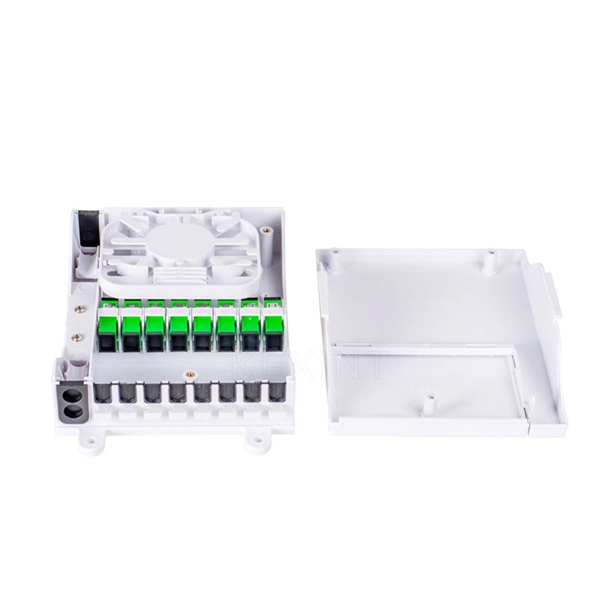
Wireless Capabilities: It supports 802. 11an+ac protocols for 5GHz and 802. 4GHz, with a 2x2:2 MIMO configuration for both bands 2. 4GHz, categorizing it as an AC1200 class device 2. NOTE: During configuration or flashing a device, the only things that should be hooked to the device is the computer and power. This device is NOT RECOMMENDED for future use with OpenWrt due to low flash/ram. DO NOT BUY DEVICES WITH 8MB FLASH / 64MB RAM if you intend to flash an up-to-date and. Hardware Details: The Phicomm K2P (A1) is a wireless router released around June 2017, manufactured in China 2. It features a MediaTek MT7621AT CPU (880 MHz, 2 cores), 16 MiB of flash memory, and 128 MiB of RAM 2. 11bgn for. Over the past year, the Phicomm K2 (model PSG1218) has become one of the most frequently discussed legacy routers in DIY networking communities—not because it's new, but because its hardware remains unusually capable for its price point, especially after flashing OpenWrt 1. 4 GHz and 5 GHz radios. It has five Fast Ethernet ports, later revisions featuring five Gigabit Ethernet ports, and a moderately fast processor. This device does not have sufficient resources (flash and/or RAM) to. To find the best router for fiber internet, we used our expertise to select items based on key specs, such as speeds, coverage, wireless standards, security, weight, and additional features. We conduct in-house testing to check their signal strength, speed, and file transfer speed.
[PDF]
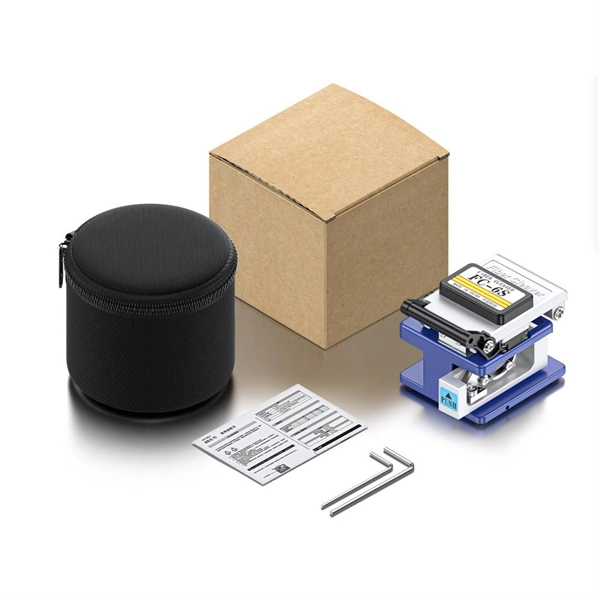
Find out how you can install cable trays faster and easier with our innovative patented product Hermi® Fast Joint. In the video, you will be able to see a comparison between using Fast Joint or bolts and nuts to connect two cable trays. Article Summary: A compliant cable tray installation requires a thorough understanding of NEC Article 392, proper structural support, and precise installation techniques. This guide covers the critical steps, from selecting the right electrical cable tray and performing accurate cable fill. Whether you're building a commercial setup or upgrading an industrial plant, proper cable tray installation ensures neat wiring, safe access, and easy maintenance. But before you lay the first tray or clamp down a single cable, you need a solid plan. This guide breaks down the process step by step. Here is a step-by-step guide on how to install a standard metal cable tray system (e., ladder or perforated type). Before starting, ensure you have. In order to begin the job, trace a straight line where the trays will pass. This is most appropriately done using a laser level. It casts a clear light beam on the ceiling or wall that will enable an individual to determine whether the course is completely straight before any holes are drilled. The key requirements for cable tray installation include: Incorrect installation can lead to overheating, cable damage, or system failure.
[PDF]
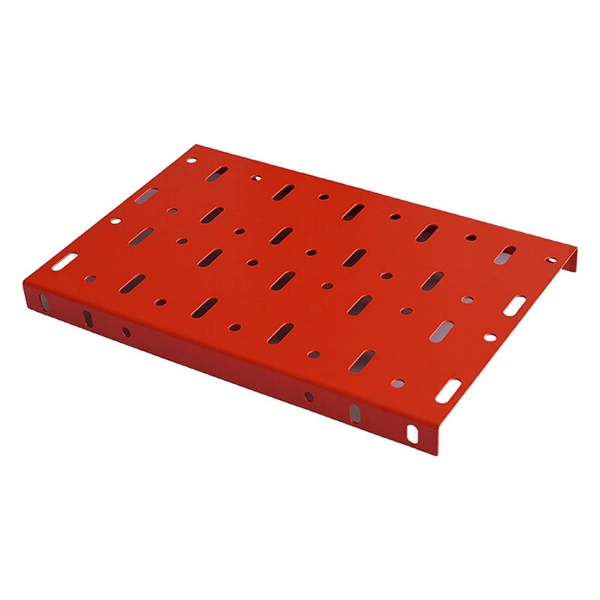
Safeguard your mechanical, electrical and plumbing systems with G-STRUT® Seismic Bracing Systems, brought to you by Gregory Strut. These specially engineered components are designed to brace structural elements together during seismic events to prevent unanticipated damage and loss. Cable trays are systems used for the safe transportation and protection of electrical cables, designed to fit the pathways within buildings and structural installations. Talk to an. Mechanical Support Systems New! Founded in 2006 as a subsidiary of Çemesan Group, which has been operating in the steel industry for nearly 40 years, Eurotray is an established steel manufacturer with production facilities in Turkey and a subsidiary company in Germany. Subscribe for the latest. These are cable management systems composed of trays, mounting support systems, direction changing parts, connection parts and fittings with the purpose of carrying and fixing cables safely in the electrical installations. These products are designed to carry heavier cable loads compared to the. Perforated Cable Trays: Eurotray offers perforated cable trays in various types and service conditions, including heavy-duty, ladder type, formed type, ship type, economic series, and standard type.
[PDF]