Fiberglass trays are the least effective at dealing with heat. Fiberglass cable tray loses 10% of its rated strength at temperatures as low as 100°F. Eaton's B-Line series fiberglass cable tray systems provide an economical support system with superior strength at room temperatures and dependable load bearing capabilities at continuously elevated temperatures. While fiberglass cable tray systems utilize a heat-cured resin that doesn't melt at. Choosing fiberglass cable trays for elevated-temperature environments requires moving beyond supplier claims. Your assurance as an engineer should be based on evidence, specifically the Air Thermal Aging Test Report. You don't need to be a materials expert. You need to know how to evaluate three. Our trays are manufactured from Fiberglass Reinforced Plastic (FRP) using high-grade resins to ensure outstanding corrosion resistance, mechanical strength, and electrical insulation. FRP Cable Trays are a superior alternative to conventional steel or aluminum trays, particularly in aggressive. Fiberglass Ultra-Sleeve High-Temperature Sleeving is a protective sleeve that is ideal for those areas where your cable runs through a particularly harsh environment of flash heat or flame, chemical or mechanical abuse.
[PDF]
Stainless steel cable trays are suitable for laying cables in chemical and purification plants, refineries, offshore plants, oil and gas tunnels and places where hygiene is of great importance. Heavy duty flange stainless steel cable tray for laying heavy. Thickness: 0. These trays are made from high-quality stainless steel, ensuring longevity and reliability in harsh environments. With side height 100mm. Perforated Cable Tray System expertly constructed from high-grade stainless steel, offering exceptional durability and resistance. Light-duty applications, such as LAN or control wiring in commercial spaces, may require trays with 1. The thickness of the tray depends on how frequently it is supported. 5 to 3 meters), thicker trays are required to prevent sagging. 5 mm or. Material: stainless steel 304, 316. From an engineering standpoint, cable tray dimensions are not. Ladder cable tray is available in widths of 6, 9, 12, 18, 24, 30, 36, 42 and 48 inches with rung spacings of 6, 9, 12 or 18 inches. Note that wider rung spacings and wider cable tray widths decrease the overall strength of the cable tray. Specifiers should be aware that some cable tray.
[PDF]
Advantages and disadvantages of using cable tray: easy installation, ventilation, cost-effective, limited load capacity. Solid-bottom Cable trays for fiber-optic cable installations where drooping of cables may affect system performance, solid-bottom (non-ventilated) cable trays are preferred. However, the main reason for selecting solid-bottom trays is a concern for electromagnetic/ radio-frequency interference. Cable trays are a modern and essential solution for cable management, widely used in both commercial and industrial settings. They offer an organized and secure way to support electrical, data, and communication cables, ensuring easy access and maintenance. Advantages and disadvantages of using. The following table compares ladder and perforated cable trays based on design, application, airflow, cost, and cable support: Cable trays offer several key benefits: Easy Installation: Quick and easy to install. No special training or expertise is needed. Easy Maintenance: Since cables are. Given cable trays are used in a wide variety of environments, from residential to industrial, it's fair to expect that there are plenty of advantages to using them. Learn about ladder, perforated, solid-bottom, wire mesh, and channel trays in this complete guide. What is Cable Tray Systems? 1.
[PDF]
Cable Trays* — Max two 24 in. (610 mm) wide by max 6 in. (151 mm) deep open-ladder cable tray with channel-shaped side rails formed of 0. 54 mm) thick aluminum or min 0. In practice, cable tray dimensions are a system of interrelated measurements —width, depth, length, and material thickness—that directly affect cable fill compliance, heat dissipation, structural loading, and long-term expandability. From an engineering standpoint, cable tray dimensions are not. SS304, and SS316. The annular space between the cable trays shall be min 2 in. Wire Mesh tray is generally used for telecommunication and fiber optic applications and are installed on short support spans, 4 to 8 feet Other sizes be produced according to customer's drawing. ♦ Electro zinc plated–for indoor use to BS EN 12329-2000, 12microns thick. ♦ Hot Dipped Galvanized–for. us-trations without notice. All illustrations, descriptions and technical information included in this document are provided as indications and can cable trays are equivalent. The mechanical and electrical characteristics, tests, certifications, overall quality management, recommendations mentioned. NOTICE AND DISCLAIMER (NEMA) The information in this publication was considered technically sound by a consensus among persons engaged in its development at the time it was approved. Consensus does not necessarily mean there was unanimous agreement among every person participating in the.
[PDF]
Ans.The main purpose of the cable tray is to keep the cable and wire safe and secure. These trays keep wires in place and make it easier for maintenance personnel to monitor and find wiring-related components. Ans.The Cable Management Market is predicted to grow at a CAGR of 10.76 percent over the next five years. Ans.Cable trays provide flexibility in wiring system design, simplicity, and lower installation costs. In facilities wherein the gear is added, removed, or transferred, cable trays provide a flexible advantage. Explore More: 1. Fiber Optic Cable Manufacturing Companies In India - 10 Best Manufacturers 2. Cables: Top Manufacturers, Suppliers & Expor.
[PDF]
AM-PRO Industrial Co. delivers high-quality electrical panels, distribution systems & cable trays. Based in Mindanao; Davao & Cagayan de Oro, we offer fabrication, engineering & on-site installation services across the Philippines. Cable trays provide a durable and efficient system for organizing and supporting electrical cables in industrial, commercial, and residential settings. Designed for easy installation and optimal airflow, they reduce maintenance costs and enhance safety. Available in ladder, perforated, wiremesh and. Overview: RMRE Electric is a reputable manufacturer and supplier of cable trays in the Philippines, offering reliable solutions for managing electrical cables and wiring. Known for their attention to detail and high-quality products, they focus on delivering practical and cost-effective cable. At Ampro, we specialize in high-quality electrical panels designed for durability and efficiency. Experience the difference with our locally manufactured solutions tailored to meet your needs. AM-PRO INDUSTRIAL CO has been onboarded by a local company recently developed an Intelligent Fire. Complies with IEC and NEMA standards. presents a comprehensive range of Stainless Steel Cable Tray in City engineered to perfection for various. Looking to buy a Stainless Steel Cable Tray in Philippines? Jeetmull Jaichandlall (P) Ltd. We believe in building fruitful business partnerships.
[PDF]
By providing a structural framework, cable trays protect the cables from mechanical damage while simplifying the overall layout of a facility's electrical infrastructure. A cable tray system is a structured assembly used to support and organize insulated electrical cables for power distribution, communication, and control signals. These systems create a secure, rigid pathway to manage extensive networks of wiring in commercial and industrial environments. Far superior to traditional conduit in many applications, cable tray systems offer unparalleled accessibility for maintenance. en completely installed, without damage either to conductors or structural system use maintain spacing or to keep cables in place when the tray is ect the minimum bend ra-dius for cables as they exit the bottom of the cable tray. A rung spacing of 6 to 9 inches (150 to 230 mm) is preferable when. Explore the world of cable trays, their types, materials, benefits, standards, and installation considerations for efficient cable management. Cable trays are integral components in modern electrical and data cable management systems. They provide an effective and versatile solution for routing and. Cable tray systems provide a safe, organized, and flexible method for supporting insulated conductors and cables in commercial and industrial electrical installations. When properly selected and installed, cable trays simplify routing, improve accessibility, and support future expansion while.
[PDF]
This guide explores the top cable tray manufacturers in the Middle East and provides tips on making the best choice for your project. is one of the trustworthy Cable Tray Manufacturers in Palestine that is here to fulfill all your wire mesh and netting tools needs. We believe in building fruitful business partnerships. Every buyer chooses us first because of. Started back in 1983, Cable House is a recognized name engaged in manufacturing and supplying wide range including Hose Clamps, Cable Ties, Crimping Tools, Cable Tray, Industrial Connectors and more, to the national as well as the international market. With our manufacturing expertise, we have even. Keep your cables safe and organized with our high-quality cable trays. Cable Trays are important for ensuring the protection of the wiring system and supporting insulated electric cables used for distribution and communication. Brilltech Engineers Pvt. Ltd would be pleased to introduce itself as one of the leading Electrical Panel Manufacturers in Palestine. Our technology is up-to-the-mark and the technique we put in our process improves the quality and performance of our products and helps us. Transdelta, operating under the "Delta" brand, is a leading manufacturer of cable management systems, including cable trays, ladders, and trunking, primarily serving the Middle East market.
[PDF]
Pre-galvanized steel trays offer economical solutions for indoor installations but typically last only 5-7 years in humid environments. For coastal industrial settings, hot-dip galvanized steel cable trays provide superior corrosion resistance, extending service life beyond 15 years. These trays carry important power and communication cables, and if they fail, things can get messy and unsafe. Understanding Cable Tray Service Life helps you plan, budget, and keep everything running smoothly. We think it's key to know what affects how long a cable tray does its job well. Critical. Cable trays refer to a rigid structural system composed of channel or ladder straight sections, elbows, components, and supports (arm-type brackets), hangers, etc. to provide close support for cables. Depending on the structure, cable trays are divided into ladder cable trays, channel cable trays. The warranty period of cable trays usually varies according to the manufacturer's regulations and the usage environment. Generally speaking, the warranty period of cable trays is between 5 and 20 years. The following are some factors that affect the warranty period: 1. Materials and manufacturing. Wire mesh cable trays have established themselves as a preferred choice for cable management in various industries due to their durability, efficiency, and adaptability. Unlike conventional cable management systems, wire mesh trays are built to last, offering long-term reliability that spans.
[PDF]
Used in applications ranging from residential FTTH (Fiber to the Home) to large-scale industrial telecom networks, splice trays vary in design, capacity, and price depending on functionality and environment. Modern telecommunications depend on ftth cable tray as basic building blocks for fast data transfer over great distances. These devices and systems use light to transport data and provide better dependability and bandwidth than conventional copper connections. They are indispensable in many. Optical fiber cable trays are essential components in modern electrical and telecommunications infrastructure. Used across data centers, industrial facilities, commercial buildings, and telecom networks, these trays provide structured, secure, and organized pathways for fiber optic cables. They include the following: Fiber reinforced cable trays have superior strength and, at the same time, are lightweight. This comes as a result of the fiber materials that are reinforced with plastics, which are also known as FRP. Main cost drivers include cable grade (indoor vs outdoor, armoured), distance, and labor for trenching, splicing, and termination. These structures, typically made from materials such as steel, aluminum, or fiberglass, are designed to support and protect cables, wires, and. In the realm of electrical equipment and supplies, fiber optic cable management trays play a crucial role in ensuring organized and efficient cable management.
[PDF]
Trapezoidal Cable Tray: Trapezoidal cable trays are characterized by their trapezoidal structure consisting of two side rails connected by a crosspiece. This design allows for excellent ventilation and heat dissipation, making them ideal for high-capacity cable management. Fiberglass - Technical Data Structural Characteristics of Cable Tray and Supports When viewed in its installed condition, any cable tray system performs functionally as a beam under a uniformly distributed load. There are four basic beam configurations typically found in a cable tray installation. -piece tray istypically used in applications where visual esthetics are important. It is available with a ventilated or solid bottom. Channel tray can protect against. Steel cable trays come in various types, each offering unique features and catering to different applications. Among them, the stainless steel cable tray is highly recommended for use in the petroleum, chemical as well as television industries. Its lightweight nature, elegant appearance, easy. This appendix provides the design criteria for seismic Category I cable trays and their supports. Seismic Category II cable trays and their supports are also designed utilizing the design criteria of this appendix. These trays have large space and good ventilation performance. Structural Design and Flexibility: The structural.
[PDF]
Cables and insulated conductors installed in underground enclosures or raceways must comply with Sec. 10 (C) requirements for the insulation of conductors and cables. 5 (A), when cables or raceways are installed underground, they must have a minimum “cover” in accordance with Table 300. Cover is defined in Note 1 at the bottom of the Table. 5, these rules ensure that underground feeder (UF-B) cable is protected from physical damage. All conductors of the same circuit, including grounded conductors, shall be contained in the same raceway, cable, or trench. The codes shown are examples only and may not be current or accurate for your application or jurisdiction. Contact your local building authority for complete information. NEC. This article is about underground installation requirements, under ground duct bank design requirements as per NEC, underground Trenches, Cable installed in Concrete Trenches as per NEC and International code and standards. Electrical Underground System Applications. Underground installations of. Cable trays and cable trenches are two widely used methods for organizing and protecting electrical cables in industrial, commercial, and residential setups. While they serve the common purpose of routing and securing cables, these systems differ in design, application, installation, and. ductors Grouped Together. All conductors of a parallel.
[PDF]
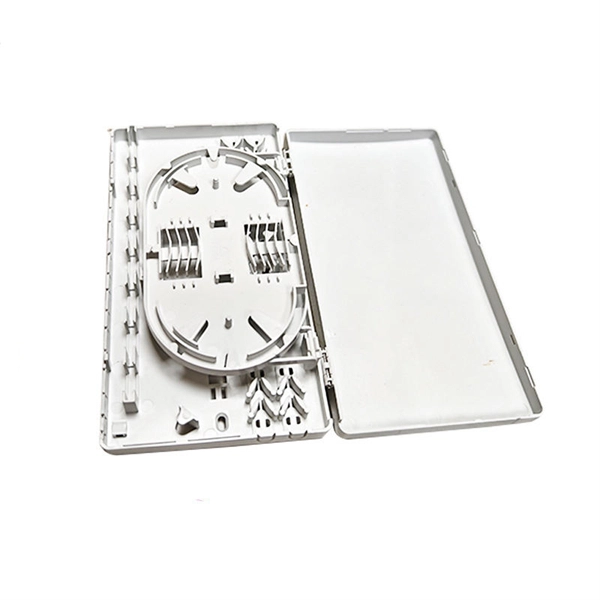
Tray cables (TC) are multi-conductor cables designed and rated for installation in cable trays and raceways or supported by messenger wires. The types of cables, allowed in cable trays, and the wiring methods permitted in cable trays can be found in NEC Section 392. This Section also lists various corresponding NEC Articles which describes the conditions of use, and installation requirements for a particular class or type of. Tray cables are versatile and durable electrical cables used for power, control, and signal transmissions in various industrial environments. Tray cables are ideal for settings that require. Prysmian's CHTC® product line consists of multi-conductor copper instrumentation and control cables with a flame-retardant cross-linked polyethylene insulation (XLPE) and a cross-linked chlorinated polyethylene (XL-CPE) jacket. Unlike standard electrical cables, tray cables feature enhanced insulation and jacketing to withstand mechanical stress and exposure to oil, sunlight. PLTC cable, also known as power limited tray cable, plays a crucial role in modern electrical systems. This specialized cable type offers unique advantages for various applications, particularly in industrial and commercial settings. It handles heavy cable loads and spans up to 20 feet between supports depending on loading. The open construction makes cable installation and removal straightforward. Ventilated trough tray has a solid bottom with.
[PDF]
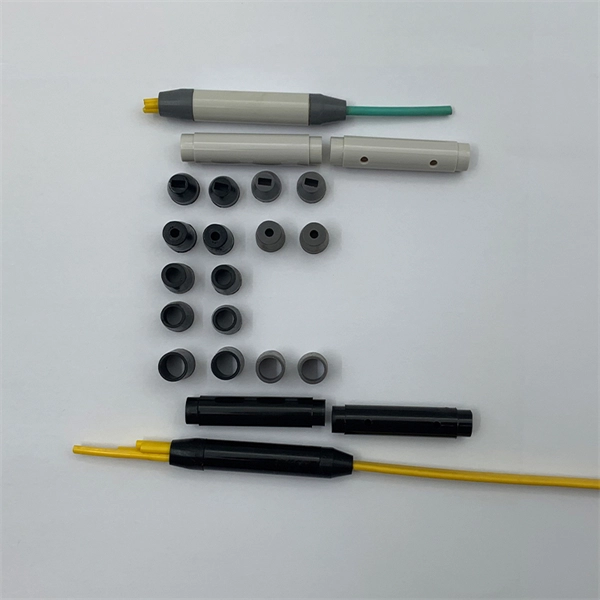
A Trough Cable Tray looks like a continuous “U” shape. It has a solid bottom and two side walls. Think of it as a long, shallow channel for your cables. Some versions have small holes in the bottom. These holes let some air circulate. This helps with cable ventilation to manage heat. A cable tray system is a unit assembly of sections and fittings that forms a rigid structural system used to securely fasten or support cables and wiring. Think of it as a sophisticated “highway” for cables, keeping them organized, protected, and easily accessible. Refers to the approximate height of a cable tray used for specifying. Selecting a specific height will. Tray cable tray is a common type of cable tray, which is a device for routing cables or other wires to support, protect, and organize cables. It is usually made of metal or plastic and presents as a channel with deep grooves that can accommodate cables of various sizes. The characteristics of. A perforated cable tray—also called a ventilated trough tray —features a solid bottom with regularly spaced ventilation holes and continuous side rails. Unlike ladder trays, the bottom surface provides continuous cable support, while the perforations allow limited airflow. Its unique design, featuring a solid bottom and side rails, makes it ideal for a wide range of applications, from industrial plants to.
[PDF]
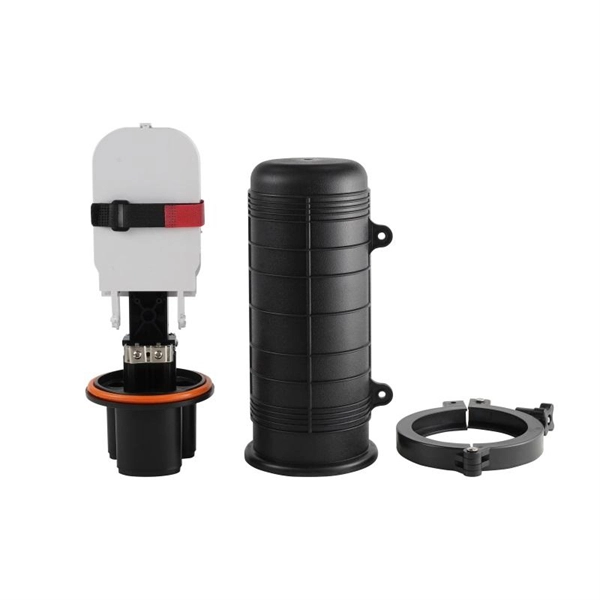
Cable tray grounding wire is the safety connection that links your electrical system's cable tray to the ground. This provides a safe path for any stray electrical currents to flow safely into the earth, avoiding damage to your equipment and reducing the risk of electric shocks. There is no restriction as to where the cable tray system is installed. The metal in cable trays may be used as the EGC as per the limitations. Cable tray may be used as the Equipment Grounding Conductor (EGC) in any installation where qualified persons will service the installed cable tray system. Consider it as an emergency electricity exit. The main purpose of. Grounding in cable trays is an important practice to increase electrical safety and prevent hazards in case of faults. The methods and materials used may vary depending on the structure of the installation. However, the main principle should always be to ensure safe and effective grounding. It involves connecting cable trays to the facility's grounding system, providing a low-impedance path for fault currents and protecting personnel.
[PDF]