All wiring in hoistway and in equipment room shall be of a type identified by CEC 620. Please add appropriate notes. Separate branch circuits are needed for car lights, receptacle outlets, and ventilation. The purpose of this T/C is to clarify wiring that is permitted to be located in an elevator hoistway, machine/control room, or control space/room. Minimizing the need for. These requirements, found in Article 620 (part of Chapter 6, Special Equipment), are in addition to NEC Chapters 1-3, which stipulate general wiring protocols applicable in most residential, commercial and industrial venues. The code exempts some fairly broad areas where compliance is not expected. In Oregon, Raceways and conduits for the connection of elevator devices shall only enter the machine room to the extent necessary to connect the devices attached thereto. 37 covers wiring in hoistways, machine rooms, control rooms, machinery spaces, and control spaces related to the. By General Contractor / Owner Each home elevator requires five (5) items from your Electrician and Telecommunications Contractor(s). They are as follows: One (1) GFI Outlet. One (1) Light Fixture (with protective cover over bulb) with wall switch. One (1) Live Land Based Phone Line with pigtail. Main Power - 10/3 with Ground (min. 6”) pigtail connected to house 30 Amp dedicated circuit. 240VAC for LLH REQUIRES neutral. One (1) GFI Outlet separate from #2 elevator (120VAC) circuit.
[PDF]
Check the electrical load and ensure that the sensors do not exceed the 10 Amp maximum. Replace any damaged cables. Check the tightness of electrical connections along the. That is why electrical energy distribution troubleshooting is critical in homes, businesses, and industrial sites. It helps identify faults early and prevents costly downtime. A clear troubleshooting process ensures power flows safely and efficiently. In this guide, you will learn how distribution. An electrical panel box, also known as a breaker box or a distribution board, is a crucial component of any electrical system. When devices in your new box don't work, you start by testing the circuit. You will want a voltage tester (doesn't need to be a voltmeter) for this job. The very cheapest one you can find at a local hardware store (or online) will work great. When they start tripping, overheating, or making strange noises, it's more than just an inconvenience - it's your home's cry for help. You need to know how to diagnose the fault in a low voltage distribution box safely.
[PDF]
Discover the key standards for industrial electrical cabinet wiring, including wiring diagrams, circuit breakers, and safety practices with Groupe BEI. The Slovenian company specializes in the wiring and assembly of electrical control cabinets for industrial, energy, and machinery engineering projects. Alphaom offers high-quality services for connecting electrical cabinets for a wide range of electrical installations. Electrical cabinets are essential for distributing electricity within a building, and. Terminal diagram: Function identifier, location designation, terminal strip designation, terminal numbers, terminal type, target designation of the individual wires and cables, cable number, cable type, number of wires and cross-sections, wire number or wire colour Cable list: Cable number, cable. Construct control cabinets in a fraction of the time through simple manual wiring without tools: WAGO Push-in CAGE CLAMP ® Technology allows you to reduce costs, increase the safety of your application and reduce the time and effort for control cabinet wiring by up to 50 percent. With our spring. PCA owns a modern and well-equipped workshop in order to offer its customers both standard systems and tailor-made solutions. Just like for process visualisation, we pay additional attention to the clarity and user-friendliness of our systems.
[PDF]
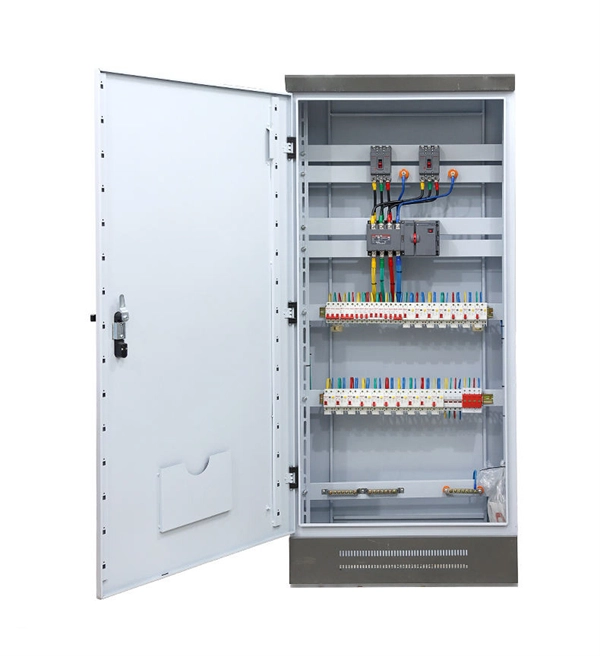
In this video, we'll walk you through the process of wiring a home distribution box with a detailed connection diagram. Whether you're an electrician or a DIY enthusiast, this guide will help you understand the basics of home electrical distribution. more Welcome to our channel! In this video. How to wire a household distribution box? How to pg clamps. When it comes to decoration, many friends like to do it themselves. However, when encountering water and electricity and other links that have a greater impact on the overall decoration, you must do your homework and not implement it. An electrical panel box, also known as a breaker box or a distribution board, is a crucial component of any electrical system. It serves as a central hub for distributing electricity throughout a building, ensuring that power is delivered safely and efficiently to all the required locations. Distribution Board or DB is an electricity supply system or a common enclosure that distributes the electrical power feed into subcircuits. What is Distribution Board? Distribution board. A distribution board or distribution box is where the main power supply is distributed to multiple loads. And all the switching and protective devices are installed in the distribution box. Single Phase Distribution Box generally consists of Double Pole MCBs, Single Pole MCBs, and RCCBs.
[PDF]
In this step-by-step tutorial, we'll cover: ✅ Tools you need ✅ Safety precautions ✅ Mounting the box ✅ Wiring tips ✅ Final checks Perfect for beginners, DIYers, and electricians who want a clear installation guide. more Learn how to properly install an electrical. Electrical switch box wiring is a critical aspect of any electrical installation. The electrical panel box wiring diagram provides a visual representation of. A junction box provides a code-approved place to house wire connections, whether for outlets, switches, or splices. Here's how to install one. We may be compensated if you purchase through links on our website. It acts as a central connection point for various electrical wires, allowing for the easy distribution of electricity to different fixtures and devices. A properly installed and wired junction box ensures the safety and. Are you ready to master the skill of building electrical panels? This detailed guide provides an excellent base for beginners. Learn about the essential components of panels, such as the circuit breakers and fuses that safeguard against hazards. Then, delve into complex wiring configurations.
[PDF]
This report provides a comprehensive analysis of electrical distribution board (DB) box sizes, including physical dimensions, electrical capacities, and market trends based on current 2025-2026 standards. This guide helps you determine the correct dimensions based on wire fill capacity, device requirements, and installation environment, ensuring a safe and efficient electrical system. Selecting the appropriate junction box size prevents overcrowding, overheating, and potential hazards. Learn how to. Choosing the correct electrical box dimensions is essential for safe wiring, code compliance, and long-term reliability. NEC Article 408 covers switchboards, switchgear, and Panelboards installation and applications. Electrical enclosure sizes are not universal, but most manufacturers follow common size families. This guide explains typical wall-mount and floor-standing dimensions, how to read catalog sizes, and how to choose the right enclosure size for your layout. There is no single global chart for standard. stallation and use of boxes. The article includes table references that guide the electrician in the selection of the proper box size necessary to safely accommodate ele trical service requirements.
[PDF]
Finding the best electrical boxes for your home renovation or redo is vital. The right material, type, and size can increase security while eliminating the risk associated with house fires due to short circuit pr.
[PDF]
Cable tray grounding wire is the safety connection that links your electrical system's cable tray to the ground. This provides a safe path for any stray electrical currents to flow safely into the earth, avoiding damage to your equipment and reducing the risk of electric shocks. There is no restriction as to where the cable tray system is installed. The metal in cable trays may be used as the EGC as per the limitations. Cable tray may be used as the Equipment Grounding Conductor (EGC) in any installation where qualified persons will service the installed cable tray system. Consider it as an emergency electricity exit. The main purpose of. Grounding in cable trays is an important practice to increase electrical safety and prevent hazards in case of faults. The methods and materials used may vary depending on the structure of the installation. However, the main principle should always be to ensure safe and effective grounding. It involves connecting cable trays to the facility's grounding system, providing a low-impedance path for fault currents and protecting personnel.
[PDF]
The project commenced in July 2023 and concluded by March 2024, with PPS supplying four heavy-duty drag boxes in total. “We expect another four units to be ordered later this year,” Matos reveals. “Everything is done locally by us, from the enclosures to making provision for the. South African electrical enclosure specialist Power Process Systems (PPS) has successfully delivered a set of custom-engineered drag boxes for a major titanium mining project in Madagascar. Designed for mobile medium-voltage (MV) power distribution, the drag boxes enable reliable energy supply to. How can we improve? Choose from our selection of zinc boxes, including corrosion-resistant washdown enclosures, compartmented boxes, and more. Same and Next Day Delivery. Accustomed to taking on major challenges in electrical engineering and automation as well as in other fields, INECO carries out all the projects entrusted to them without a hitch. WANT MORE INFORMATION ABOUT OUR PRODUCTS AND ACCESSORIES? Download the product catalogue and all information material available. Methane gas cogeneration plant with 230 kW of electrical power, with heat recovery for. Lightweight polyester enclosure. IP40 / IP55 Wall box for electrical domestic device. Wall mounting warning light. IP66 Aluminium juntion boxe. Back plate, DIN rail, stepped glands.
[PDF]
Fiber optic cables are also more secure, as they are harder to tap or hack. Fiber and copper cable repair both require trained splicers, but the tools, techniques, and failure modes are completely different. Sending a fiber splicer to repair a copper cable - or vice versa - wastes time and risks making the damage worse. Here is what you need to know before you call for. Well-made fiber optic cables are very tough, making them great choices for homeowners who would like to limit weather-related internet outages as much as possible. The comparatively high durability of fiber optic cables comes from a series of factors, including: The quality of the glass cables, of. Copper and fiber optic cables each offer distinct advantages and disadvantages that can impact performance, cost, and long-term efficiency. But how do you decide which one is best suited for your needs? This article delves into the technical comparison between copper and fiber optic cables. Fiber optic cables are typically damaged in one of two ways: A premade fiber optic cable suffers connector damage when too much pull-force is applied during installation. This can occur on long cable runs through tight conduit or duct, and also if the cable becomes caught or snagged.
[PDF]
UL 1203 ensures explosion-proof and dust-ignition-proof electrical systems are rated for hazardous locations. PVC-coated hazardous location fittings must undergo rigorous post-coating testing to meet these standards. Designed for tough environments, these systems deliver safety and reliability. UL 1203, Explosion-Proof and Dust-Ignition-Proof Electrical Equipment for Use in Hazardous (Classified) Locations, applies to electrical products used in environments with explosive gases, vapors, or combustible dusts. This standard ensures that equipment meets stringent safety requirements. Each system has its own markings, classifications, and safety standards that define the type of hazard, how often it occurs, and how equipment must be designed to safely operate in that environment., hazardous location equipment is certified according to the National Electrical Code. This protection method assumes that the surrounding explosive atmosphere can enter an enclosure intended to protect electrical equipment and that there will be internal explosions during the life of the protected equipment.
[PDF]
The optimal Electrical Panel Temperature Range lies between 40ºC (105ºF) and 50ºC (122ºF). As the internal temperature of the components increase, their lifespan will decrease. Discover smart ways to manage heat in electrical enclosures, from heat load to cooling systems, for safe, reliable equipment performance. If it gets too hot, parts can stop working or even catch fire. If it gets too. bility of the electronic components by 50%. As technology advances, electronics get smaller, leading to more electronic comp nents inside a single electrical enclosure. These tightly packed components help conserve space and allow for more eficient automation but leave very little room f r heat. Electrical enclosures serve to protect electrical devices from adverse environmental influences, such as dirt, other particulates, moisture, or chemicals that could damage components. Plus, by housing electrical devices inside a secure enclosure or box, personnel are protected from electrical. Temperature can dramatically impact your electrical components. Your electrical devices might be rated for operation up to 60°C (140°F), but proper cabinet ventilation is vital to prevent equipment failures. You must incorporate thermal control in the initial designs of electrical enclosures to save yourself the trouble due to temperature related.
[PDF]
A cable pull pit (also called a cable pulling chamber or pull box) is an essential component of underground electrical and telecommunication systems. Tackling outdoor electrical projects, especially anything involving burying wires, can feel overwhelming. The thought of digging trenches, placing equipment correctly, and hiding wires away makes many assume it's strictly a job for professionals. These pits reduce friction and tension in. This document is published to provide specifications, information, and guidance to assist developers in planning for and obtaining proper and prompt electric facilities to serve underground developments in the FirstEnergy Service territory. The requirements detailed in this document address conduit. NEC Article 314 establishes requirements for the installation and use of electrical boxes, conduit bodies, fittings, and handhole enclosures. A conduit body is a removable-cover section of a conduit system that provides access at junctions or termination points. Article 314 applies to: These. An underground pull box, often called a handhole, manages and maintains buried utility lines. We carry an array of traffic rated underground pull box sizes and specifications, including Quazite boxes made from.
[PDF]
Knowing when to use which color code can help you save time and prevent mistakes from occurring on the job. You'll likely need to use a tray cable with the E-1 color code if you're working on an electrical or utility application. When the project is n. Knowing when to use which color code can help you save time and prevent mistakes from occurring on the job. You'll likely need to use a tray cable with the E-1 color code if you're working on an electrical or utility application. When the project is not NEC-applicable, E-1 is OK to use. Locations where you'll likely encounter this color scheme incl. Based on the color combinations you see, you'll be able to determine what the wire is being used for. If you were to cut a cross-section of Kris-Tech wire and look at it head-on, you'd see a series of colored conductors arranged in a circle around the main conductor. Depending on which end of the cable you're looking at, you can read the colors clo. No matter the job type, rest assured there's a tray cable engineered to fit the job. Kris-Tech is ready for your next job with UL 1277 certified vinyl nylon tray cable (VNTC) and cross-linked polyethylene tray cable(XPTC). Whether you need some tray cable color-coded to meet NEC guidelines or want it custom-colored to match your preferences, Kris-T.
[PDF]
This document outlines the Philippine Electrical Code (PEC) and its regulatory framework, including laws, objectives, and standards for electrical installations. It emphasizes safety, compliance, and the roles of various government authorities in enforcing these regulations. The Philippine Electrical Code (PEC) is a set of standards and regulations that govern the safe and proper installation, operation, and maintenance of electrical systems in the Philippines. It provides guidelines for electrical design, wiring, equipment selection, grounding, protection, and other. Members of each committee meet several times, discuss proposed changes, accepting some and rejecting others, and rewrite (as required) the sections of the Code that were assigned to their committee. ❑ Regularly revised (every three years) to reflect the evolution of products, materials, and. The purpose of this Code is the practical safeguarding of persons and property from hazards arising from the use of electricity. This Code contains provisions that are considered minimum requirements necessary for safety. Compliance therewith and proper maintenance will result in an. ALL ELECTRICAL WORKS HERE IN SHALL BE EXECUTED IN ACCORDANCE WITH THE LATEST EDITION OF THE PHILIPPINE ELECTRICAL CODE (PEC). THE NEW ELECTRICAL ENGINEERING LAW (R. LAWS AND ORDINANCES OF THE LOCAL GOVERNMENT UNIT AND RULES AND REGULATIONS OF THE LOCAL ELECTRICAL POWER UTILITY COMPANY. Philippine Electrical.
[PDF]