Fittings used with ADSS cable may be tension type, used at dead-ends where the cable terminates or changes direction, or may be suspension type, only holding the weight of a span with tension transmitted through the next span of cable. Reinforcing rods are used at dead-ends and may sometimes be used on either side of a suspension support. Wind-induced may be a factor on longer spans since ADSS cables have light weight, relatively high tension, and little self-damping. Anti-vibration da.
[PDF]
AFL EMEA's All-Dielectric Self-Supporting (ADSS) fiber optic cables for aerial applications in EMEA. Reliable, cost-effective solutions for transmission and distribution networks. ADSS fiber cable is used by electrical utility companies as a communications medium, installed along existing overhead. Non-metallic FRP reinforced core High quality loose tubing The loose tube material itself has good hydrolysis resistance and high strength special oil is filled in the pipe to protect the optical fiber High quality Aramid High quality aramid is filled in the jacket to support all tension. All Rights Reserved | Privacy Policy | Sitemap AFL EMEA's All-Dielectric Self-Supporting (ADSS) fiber optic cables for aerial applications in EMEA. ADSS cable's full name is All Dielectric Self Supporting Cable, which is also called non-metallic all-dielectric self-supporting fiber optic cable. It is widely used in power communication systems for its advantages of large number of fiber cores., light weight, sin metal (all half). ADSS fiber optic cable can be configured with power lines and. ADSS - For up to 800 m span | Prysmian AcceptGo Back Corporate close Choose Country Europe Europe Austria Czech Republic Denmark Finland France Belgium Germany Hungary Italy Norway Poland Romania Russia Slovakia Spain Portugal Sweden The Netherlands Turkey United Kingdom Baltics America America.
[PDF]
A 12-core ADSS cable for short spans (≤100 meters) might cost around $0. 35 per meter, using a standard double PE jacket and basic aramid strength members. The price of ADSS (All-Dielectric Self-Supporting) fiber optic cable can vary significantly depending on the design specifications, installation environment, and span length. For example below three cable structure: ASU fiber optic cable single jacket adss fiber optic cable double sheath adss fiber. ADSS cable prices are determined by several factors, primarily the types of cables. These cables are installed as overhead wires, do not require a support system, and can carry a lot of extra wires. Single-core cables are economical and quick to install because they only have one optical fiber. ADSS cable (All-Dielectric Self-Supporting) cable is ideal for installation in distribution as well as transmission. Flex-Span® ADSS Fiber Optic Cable, 024f, Singlemode, Single Jacket, Loose Tube, Dry/Gel, 450′ Max Span, NESC Heavy Load. Our reel have a manufacturing variance of up to 5%. You will be billed for the quantity that ships. IMPORTANT PRICING, CHECKOUT, AND SHIPPING INFORMATION! ***Due. AFL-ADSS® (All-Dielectric Self-Supporting) fiber optic cable is a non-metallic cable which supports its own weight without the use of lashing wires or messenger cables. It features a central conduit for optical fibers, protected by aramid fiber layers and an outer sheath.
[PDF]
ADSS cables are light. They can go on live power lines. This makes them cheap and safe. They work well for jobs with little disruption. This can make the cost. Look no further than ADSS (All-dielectric Self-supporting) fiber optic cables, which boast an impressive 99% uptime rate! These cables are specifically designed for outdoor applications and provide a robust and dependable solution for aerial cabling. With their self-supporting structure, ADSS. All-dielectric self-supporting (ADSS) cable is a type of optical fiber cable that is strong enough to support itself between structures without using conductive metal elements. Unlike traditional optical cables, ADSS cables are designed to be self-supporting and do not require any additional support structures, such as messenger wires or metallic. In the realm of aerial fiber optic infrastructure—where cables must withstand harsh weather, high voltages, and mechanical stress— ADSS (All Dielectric Self-Supporting) fiber optic cables stand out as a game-changer. Designed specifically for deployment alongside power lines and utility poles, ADSS. ADSS (All-Dielectric Self-Supporting): The non-metallic, flexible problem-solver for existing lines. OPGW (Optical Ground Wire): The heavy-duty, dual-function shield for high-voltage transmission. Choosing the wrong one isn't just a budget issue—it's a safety risk. The following is a detailed analysis of the main advantages and features of ADSS.
[PDF]
ADSS installation requires careful planning, correct tension settings, and smart hardware use. Maintenance includes routine inspections, cleaning, and load checks. These steps help prevent breaks and signal loss. Corning SOLO® ADSS medium-span cables are all-dielectric, self-supporting (ADSS) cables designed for easy and economical one-step installation in campus backbones with self-supporting installations where metallic messengers cannot be used. The loose tube design provides stable performance over a. Comprehensive Guide to OM4 Fiber: Installation Steps and Maintenance Methods In the realm of optical communications, OM4 fiber stands out due to its exceptional transmission performance and wide range of applications. Load:150N; number of cycles:10; twist angle:±180 ° G. 651 (Multimode No obvious addition attention, no fiber break and no cable damage. Istallation : -10 to +40 o C Storage : -20 to +70 o C. r lines, as well as underground duct applications. As its name indicates, there are no metallic components and the able does not require a support or messenger wire. Flex-Span ADSS cables are a single jacket design intended for the shorter pole- o-pole span lengths in a distribution environment.
[PDF]
The price per foot includes the fiber itself, connectors, and basic installation factors, with main drivers being cable type, distance, and any required conduit or termination hardware. This article outlines cost expectations, price ranges, and practical savings. Fiber-optic cable materials typically cost $1 to $6 per linear foot, depending on fiber count and cable type. Commercial building installations with 100-200 network drops generally range from $15,000 to $30,000. Single-mode fiber costs less per foot than multimode fiber, but it requires more. Typically, per drop fiber cabling prices range from $250 – $1000 per drop depending on the type of fiber (OM2, OM3, OM4, or OM5), multi or single mode, PVC or plenum, average drop length, and also the number of fibers in each cable. This. Whether you need singlemode, armored, or indoor plenum, this guide gives you the exact cost per foot of fiber optic cable — including installation — so you can budget without guesswork. Data aggregated from Q1 2026 contractor invoices across Texas, Ohio, and North Carolina. The installation type you choose and the layout of your property determine the total labor and materials needed for your project. Cost for fiber cabling projects.
[PDF]
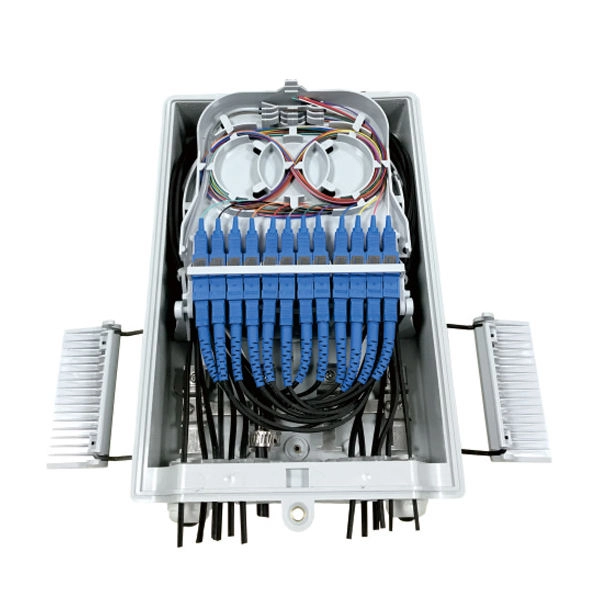
Total number of cores = Number of branches × Number of cores per branch If there are no branches, the number of branches equals one. For example, an MTP®-8 trunk cable with four branches and eight cores per branch has a total of 32 cores (4 × 8 = 32). For example, if you have three optical fiber access switches, you need to have three cores. (actually use a four core optical cable) This is because apart from one-core optical fiber, there are basically no optical cables with an odd number of cores, such as three-core, five-core, etc. It is worth. Fiber cores are the heart of fiber optic cables, transmitting light signals that carry data. Made from either high-quality glass or plastic, the core plays a critical role in determining the cable's performance. The total number of cores for a 1pc fiber patch cable is calculated as the number of. One key factor is the number of cores, which impacts how much data you can transmit. Single-mode: A. Common fiber cores include 1 core, 2 cores, 6 cores, 8 cores, etc., and there are many types. This article will focus on the number of fiber cores, introducing their respective characteristics and usage scenarios. Of course, this is a general situation, and it can be considered as follows: 1.
[PDF]
Ans.The main purpose of the cable tray is to keep the cable and wire safe and secure. These trays keep wires in place and make it easier for maintenance personnel to monitor and find wiring-related components. Ans.The Cable Management Market is predicted to grow at a CAGR of 10.76 percent over the next five years. Ans.Cable trays provide flexibility in wiring system design, simplicity, and lower installation costs. In facilities wherein the gear is added, removed, or transferred, cable trays provide a flexible advantage. Explore More: 1. Fiber Optic Cable Manufacturing Companies In India - 10 Best Manufacturers 2. Cables: Top Manufacturers, Suppliers & Expor.
[PDF]
Abstract: Detecting partial discharges in cable joints is critical for timely defect identification and reliable transmission system operation. The electric field distribution of the optical fiber-implanted cable joint was simulated, followed by electrical performance tests, demonstrating that optical fiber implantation had a negligible effect on the electrical properties of the cable joint. A platform utilizing Mach–Zehnder–Sagnac. The results show that the average sensitivity of the sensor in the 10 kHz–80 kHz range is 71. 0 dB higher than that of the piezoelectric transducer, with a maximum signal-to-noise ratio of 65. To improve the long-term reliability and sensitivity of the sensing system, a novel method for cable joint monitoring based on implanting optical fibers. However, there is an industry gap in the literature about the highly sensitive fiber optic-based PD solution based on the acoustic emission principle. This paper aims to fill such an industry gap. In this paper, the fiber optic-based PD sensing (OptiFender) technology is applied to monitor the PD.
[PDF]
Prices typically range from about $0. 50 per foot for fiber optic cable and basic installation, depending on indoor vs outdoor routing, distance, and terrain. Commercial building installations with 100-200 network drops generally range from $15,000 to $30,000. Single-mode fiber costs less per foot than multimode fiber, but it requires more. Buyers typically see a wide range in fiber cost per foot depending on cable type, installation method, and terrain. The main cost drivers include cable type (single-mode vs multimode), whether the run is indoors or outdoors, trenching or direct burial requirements, and labor time. This guide presents cost ranges in USD and highlights how per-foot pricing translates to total project costs for typical. The Fiber Broadband Association has partnered with Cartesian to research the cost of deploying fiber and provide insight on how these costs are evolving over time. In preparing this second edition of the Fiber Deployment Cost report, Cartesian gathered inputs from a wide variety of firms building. 1) Proofing and Placement - Per foot pricing for proofing and placement of approximately 1,856,332 ft (351. 864F Prysmian non-armored ribbon cable (24 Fibers per ribbon) into existing empty. conduit (price includes the provision of redline documentation, fiber cable. Buyers typically pay for the cable itself, termination hardware, and professional installation. The following guide outlines typical costs, with practical ranges in USD.
[PDF]
When discussing industrial electrical cabling, the significance of cable trays becomes evident. A specific arrangement must be implemented for larger cables to prevent entanglement, ensuring easy comprehension during maintenance and proper upkeep. Tired of messy wires causing headaches? Brilltech Engineers Pvt. brings the Cable Trays in Jamaica just for you! We, one of the well-known Cable Trays Manufacturers in Jamaica, offer top-notch trays that keep your electrical system organized and protected. Our custom-based products are able to match up your distinct needs. Our products are known for their sustainable performance and all the other features that it. In an effort to obtain more realistic assessment data the assessment and withstand demonstrators have been combined into a common two-piece unit. Cablofil cable tray is the revolutionary system constructed of precision-engineered, high-quality, welded steel wire. The Cablofil system includes everything to make installation effortless and it adapts easily as your cable management needs grow and c hange. The FAS support system is exclusively. Make a Payment We provide High Quality Products & excellent customer service to our clients. + (876) 618-6790. us-trations without notice.
[PDF]
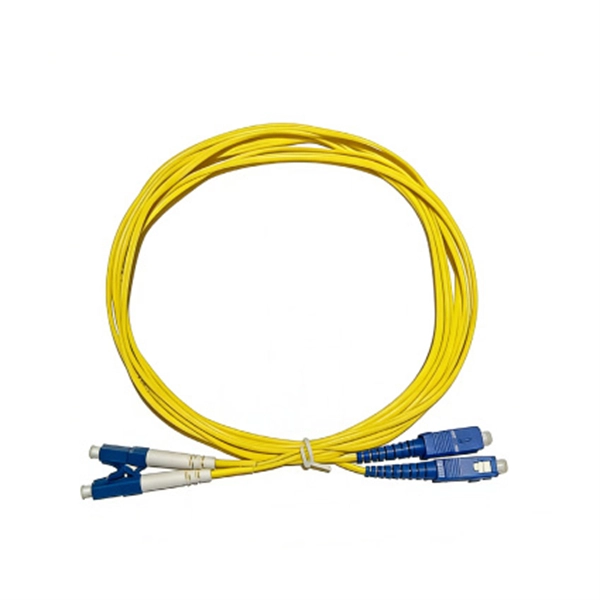
The cost to install fiber optic cable ranges from $1. 50 to $42 per foot, with installation costs accounting for 60-80% of total project expenses. According to the Fiber Broadband Association's 2025 report, median costs are $8 per foot for aerial builds and $18 per foot for. Fiber optic cable installation costs between $1,500 and $7,000 for your home, with prices varying by cable length and installation method. The installation type you choose and the layout of your property determine the total labor and materials needed for your project. You should account for permit. Buying fiber optic installation services involves several cost components, with total price influenced by length, location, and access. This guide presents typical price ranges in USD to. Understanding the costs of fiber optic cable is a top concern for businesses planning network infrastructure upgrades. Whether you're expanding your data center, connecting multiple buildings, or future-proofing your connectivity, accurate pricing information helps you budget effectively. This guide breaks down everything you need to know before starting your fiber installation project.
[PDF]
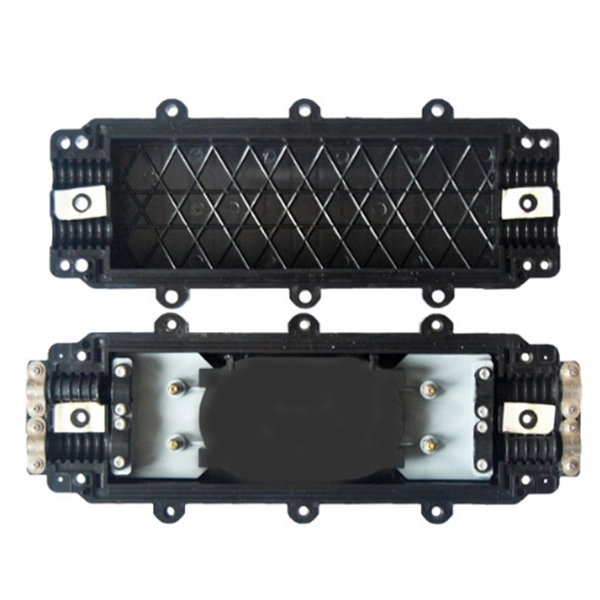
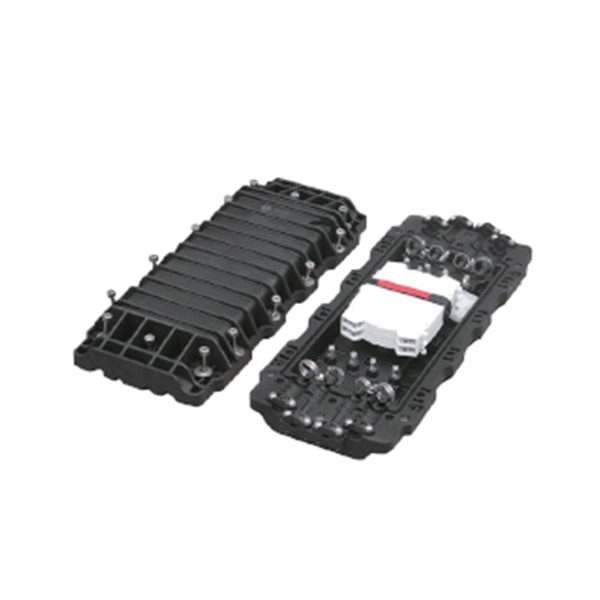
OPGW cable joint box installation involves several key stages: selecting the appropriate location, preparing both the cable and the joint box, splicing fibers, and sealing the joint box properly. Adhering to these steps ensures optimal performance and longevity of the telecommunications system. Optical fiber junction boxes are essential components in outdoor optical fiber cable installations. In this article, we will discuss the necessary steps and best practices. The Indoor/Outdoor Splice Box is a wall-mounted, indoor/outdoor fiber splice enclosure for centralized splice-only applications. These boxes are well suited as optical cable splice collection points for MDU (Multi-Dwelling Unit) residential fiber network applications, MTU (Multi-Tenant Unit). The installation of an optical cable junction box is crucial in ensuring the integrity and performance of optical networks. As we enter 2024, adhering to best practices not only enhances system reliability but also mitigates potential issues that can affect customer experiences. Installing a fiber optic splice closure efficiently and effectively requires attention to detail and. AFL's SB01 splice enclosure provides protection from all types of elements. From weather to bullets, the iron and steel construction requires no additional protective covering. Furnished with four plugged cable ports (2 aluminum and 2 plastic) for either All-Dielectric Self-Supporting (ADSS) or.
[PDF]
The digital optical audio cable by AmazonBasics is among the best there is in the market. I highly recommend this product to everyone looking for a dependable Toslink cable. You can conveniently connect an.
[PDF]
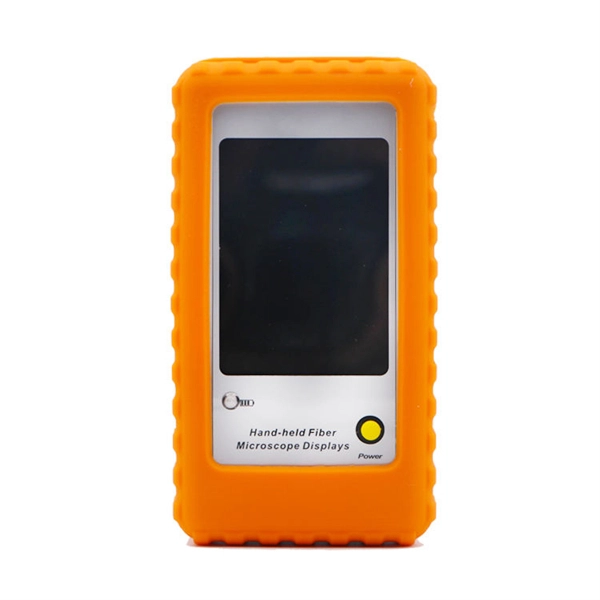
Optical splitters enable a signal on an optical fiber to be distributed among two or more fibers. Since fiber splitters contain no electronics nor require power, they are an integral component and widely used in most fiber-optic networks. A fiber optic splitter is a passive optical component that divides a single incoming optical signal into two or more outgoing signals, or combines multiple incoming signals into one. Unlike active devices (which require power), splitters operate without electricity, relying solely on the physics of. Optical cables, also known as fiber optic cables, consist of thin strands of glass or plastic fibers surrounded by a protective casing. These fibers transmit data as light signals, which are converted into electrical signals at the receiving end. The benefits of optical cables are numerous. A fiber-optic splitter, also known as a beam splitter, is based on a quartz substrate of an integrated waveguide optical power distribution device, similar to a coaxial cable transmission system. Its primary role is in Passive Optical Networks (PON), which are the foundation of. A fiber broadband provider typically determines and overall split ratio for the network, such as 1x32 or 1x64, and uses combinations of splitters to meet that ratio with each PON port. 1x32 splits were common in North America for G-PON architectures. As XGS-PON continues to be adopted, some service.
[PDF]